Last week, I looked after my young niece at a friend’s house. She broke down crying after losing her favorite toy. I knelt beside her trying to soothe her, yet none of my words calmed her distress.
The moment pulled up old childhood memories. My own parents worked nonstop back then, leaving my feelings often overlooked or misunderstood. I picked up Philippa Perry’s The Book You Wish Your Parents Had Read, and quickly realized it speaks to anyone who grew up with unmet emotional needs, as well as parents striving to connect with their kids.
Drawing on psychology and decades of clinical work, Perry centers her writing around parent-child communication. Parenting is never just enforcing rules or keeping neat order; it hinges on genuine listening and vtaking children’s feelings seriously.
She shares multiple real-life examples. One child grew aggressive at school from long-term neglect. Once his parents shifted how they talked with him and built steady emotional safety, the boy slowly learned to name and manage his feelings. It brought back my lonely school days, when a teacher failed to see where my anxiety stemmed. A little patient listening back then could have avoided piles of unnecessary stress and misunderstanding.
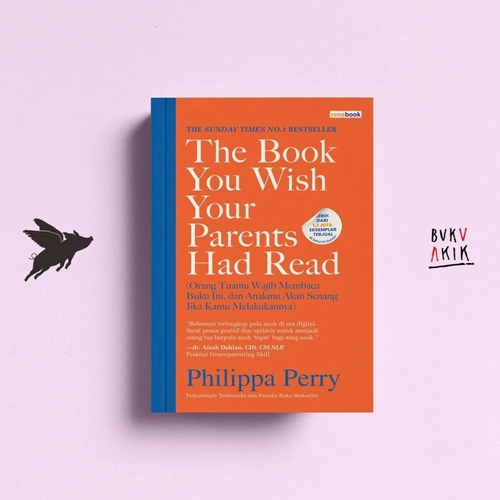
Her core message is clear: every child’s outburst has an underlying cause, and thoughtful parental responses shape their self-image and sense of security. Perry avoids preachy lectures. Her warm, witty tone reads like gentle advice from a trusted seasoned friend. She stresses parents need not be perfect, only prioritize feelings over fixing bad behavior right away, a lesson that stuck with me deeply.
I tested this approach with my upset niece. A simple line
“I see how upset you are, and I’m staying right here with you”
helped her settle down far better than my old rush to stop her tears immediately.
The book has small flaws. Some psychological jargon takes time for casual readers to unpack, and repeated case studies across chapters can feel redundant. Still, the recurring stories reinforce how consistent daily practice turns parenting theory into real-life results.
After finishing the book, I came to see parenting as no quick fix or one-time chore. It consists of daily care, patience and continuing effort to understand. It prompted me to revisit my own childhood wounds and stay more alert to children’s emotional cues around me. Perry offers no universal fixes, only a core parenting mindset: caring for inner feelings lays the groundwork for lasting family bonds. Every attentive reply lets a child feel seen, valued and loved.
