I walked into a small, dusty bookstore in Portland last spring. It smelled of old paper, damp wood, and something sweet, like cinnamon maybe. I didn’t go there to buy anything. I went to hide from the rain. The owner, a woman with silver hair and reading glasses on a chain, nodded at me, then went back to her book. I stayed for two hours. I left with a used copy of a novel I had never heard of. That night, I wondered: Why does a bookstore feel like a sanctuary, but a grocery store never does? What makes a space feel like it belongs to you, even for a moment?
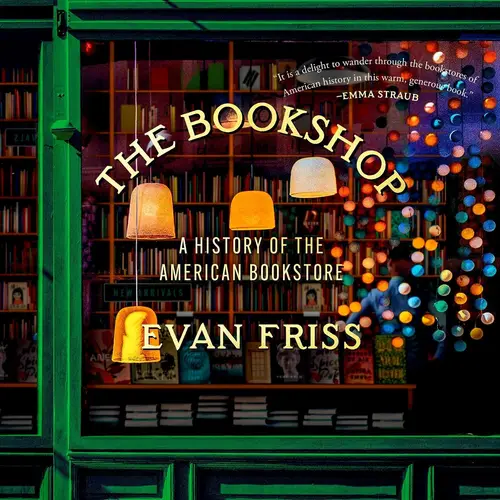
Evan Friss’s The Bookshop: A History of the American Bookstore asks that exact question. It’s not a dry catalog of dates and names. It’s a love letter to a dying, or maybe just shape-shifting, kind of place. Friss argues that the American bookstore was never really about selling books, not primarily. It was about creating a third space, a living room for strangers who share a quiet obsession. He traces this idea from the 1700s, when traveling booksellers carried Bibles and pamphlets on horseback, to the indie shops of today fighting Amazon. The thesis is simple but radical: a bookstore is a technology of belonging. It’s a physical place that says, “You are allowed to stay here, even if you don’t buy anything.” And that permission, Friss shows us, changes everything.
The People Who Stay: A Portrait of the Forgotten Owner
The heart of the book is not the shops themselves, but the people who ran them. Friss gives us a vivid portrait of Benjamin Franklin’s book-selling days, but the real soul comes from the smaller, almost forgotten figures. Consider George W. Childs, who ran a Philadelphia shop in the 1800s and treated it like a public library. He let poor kids sit on the floor and read for hours. He didn’t shoo them away. He bought them bread. This is the core conflict: the tension between commerce and care. A bookstore is a business, but the best owners treat it like a mission. They lose money. They work sixty-hour weeks. They know customers’ names, their children’s names, the dog’s name.
Friss doesn’t shy away from the suspense. Will the independent store survive? The answer is not simple. He shows how the rise of chain stores like Barnes and Noble in the 1990s felt like a death knell, but also how they created their own kind of community. And then came Amazon. The chapter on the early 2000s feels like reading a slow-motion car crash. But Friss finds heroes: the owners who fought back, not with algorithms, but with personality. They hosted poetry readings for five people. They recommended books that didn’t sell. They made their shops a reflection of themselves. I found myself rooting for them, even knowing some would fail. The real story here is not about bookselling. It’s about stubborn, beautiful, unprofitable love.
The Craft of Belonging: Theme and Imagery
The core theme of The Bookshop is this: a bookstore is a stage for human connection. But Friss doesn’t just say that. He shows it through craft. His key imagery is the door. He keeps returning to the moment you walk through a bookstore’s entrance. It’s a threshold. On one side is the noisy, demanding world of work and traffic and deadlines. On the other side is a quieter, slower place. You are not a customer there. You are a browser. A lingerer. A potential friend.
Friss’s writing is elegant and restrained. He doesn’t shout “This is important.” He whispers. He describes a shop in Detroit that survived the 1967 riots. The owner kept the door open, even when the city was burning. That image, an open door during chaos, is the whole book in one picture. It’s about offering a safe harbor when the world feels unsafe. The best books make you see something ordinary differently. After reading this, I looked at my local bookstore differently. It wasn’t just a store. It was a small, brave assertion that people need places to just be together, without buying or selling. The author’s craft here is in choosing the right detail: the worn floorboards, the cat asleep on a stack of poetry, the handwritten note from the owner that says, “I love this book. I hope you do too.”
The Last Sanctuary: What We Lose, What We Keep
I finished The Bookshop on a Tuesday night. I put it down and felt a strange, quiet sadness. Because Friss is honest about the losses. Many shops closed. Many more will close. The economics are brutal. But he also leaves room for hope. The independent bookstore is not dead. It’s evolving. It’s becoming a cafe, a community center, a place for author events that feel like family reunions. The question he leaves us with, the one that stayed with me, is this: What do we lose when we lose a bookstore? Not just a place to buy books. We lose a space where a stranger could nod at you and you could feel seen.
The cross-era resonance is clear. In the 1800s, a traveling bookseller brought news and ideas to a remote village. In 2024, a local shop hosts a Zoom reading with a writer from across the world. The technology changes. The need does not. We want to be held by a place. We want to be welcomed without transaction. And that, maybe, is the real gift of this book. It’s not a history of objects. It’s a history of a feeling. The feeling of walking into a room and knowing, instantly, that you belong here. I still have that used novel from Portland. I haven’t read it yet. But I keep it on my shelf. It reminds me of the woman with the silver hair and the rain outside and the quiet act of staying.
