You’ve heard of an “emotion coach,” right?
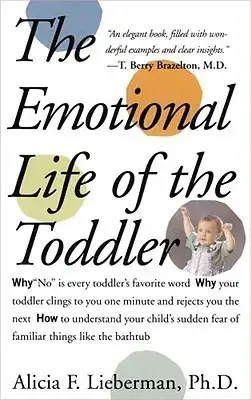
If so, meet Alicia F. Lieberman. She’s a quiet legend in child psychology. I just finished her book The Emotional Life of the Toddler—huge in the U.S. right now—and all I wanted to do afterward was walk into every house with young kids and say: Stop explaining. Stop lecturing.
Every time your child falls apart, they’re not fighting you. They’re asking for help.
This book pulls the curtain back. A kid thrashing on the floor isn’t declaring war. There’s this one case—a little boy named Leo. Every time his mom picks up the phone, he starts throwing things. If you didn’t know better, you’d think: brat. Acting out. But Lieberman shows you what’s really happening. At that age, kids can’t tell the difference between “Mom’s distracted” and “Mom’s gone forever.” A meltdown isn’t bad behavior. It’s a small human drowning in a feeling they don’t have words for yet. No logic. No exit. Just noise and tears. What this book does best: it takes the “difficult child” and shows you who they really are: overwhelmed, stuck, and begging to be seen.
No fluff. Just real tools.
A lot of parenting books tell you to “validate the feeling.” But how? Lieberman hands you actual scripts. A child sobbing uncontrollably? Don’t say “stop crying.” Instead, use a low, steady voice—not to control them, but to become their anchor. Her core argument: emotions are never the problem. The problem is not knowing what to do with them. You don’t stop the anger. You teach them: you can stomp your feet. You cannot hit. It’s warm, but it has a spine. The book lets the child be human. And it lets the parent be human too. No robots required.
Steady yourself first. Or your unhealed past becomes your child’s weight.
Here’s what wrecked me. This book spends real time on the parent. Your calm is not a “nice to have.” It’s the whole game. A lot of us can’t stand a crying child because that cry pulls us right back into our own childhood—the moment no one sat with us. One line from the book still sits with me: Next time your child is spiraling and you feel the urgent need to shut it down, stop. Ask yourself—does my child need to stop crying? Or do I need them to stop crying so I can feel better?

This isn’t just a parenting book. It’s a quiet therapy session for the adult holding it. If you have a small human at home who goes from zero to sixty in seconds, read this. We’re so busy chasing grades and pursuing skills. But the deepest gift you can give a child? Emotional resilience. This book doesn’t ask you to be a perfect parent. It just asks you to show up and hold on. Read it for the tiny human. And read it for the one you used to be.
