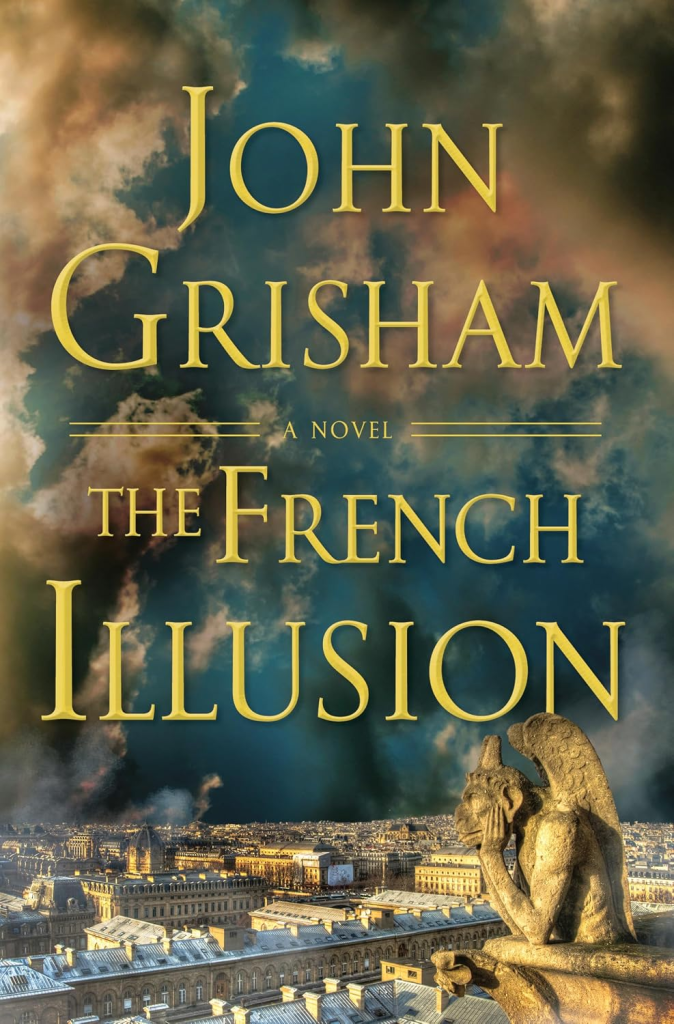
Chelsea Tanner posts everything. The croissants. The cobblestones. The little hotel with the flower boxes. She is documenting the first week of her marriage to Paul, and the captors are reading along. That’s the setup of John Grisham’s The French Illusion, and it’s the reason I kept flipping back to check my own privacy settings like they might have changed while I wasn’t looking.
The question that nagged me the whole way through: how much of a crime story is really about the crime, and how much is about the ordinary habits that hand strangers a map to your life?
Two Newlyweds, One Vanishing Feed
Paul and Chelsea are easy to like, which almost feels unfair given what’s coming. He’s ex-Navy, a military history guy. She has loved France since she was a kid. Their wedding is lavish, Chelsea’s father is an orthopedic surgeon with money to burn, and Paris is supposed to be the reward.
Then the posts stop. No photos. No updates. Just silence, and then a ransom email that lands in two households with very different bank accounts.
The early chapters move slowly, and I started wondering whether Grisham had lost the thread. He hadn’t. He was laying pipe. Once the FBI, the CIA, and French intelligence start circling the same few facts, the book snaps tight and doesn’t let go.
The torture scenes are hard. I skimmed one. I’m not going to pretend otherwise.
What pulled me in was Stuart Nash, a young lawyer recruited as bait. He is not a hero. He is a guy in over his head, and Grisham keeps him that way.
The Feed That Betrays You
The book’s real subject isn’t kidnapping. It’s visibility.
Chelsea’s posts aren’t a plot device, they’re the thesis. Every geotag, every plate of food, every “day trip to the countryside” update is a gift to someone watching. Grisham doesn’t lecture about it. He just lets the timeline do the work, and the effect is queasy.
I kept thinking about a trip I took two years ago, posting a photo of my rental car’s dashboard because I thought the light was nice. There was a street sign in the frame. I never noticed until now.
There’s a line in the novel worth sitting with: “Let ’em peel away the onion, give ’em something but not the truth.” That’s the CIA’s game, and honestly it’s the book’s game too. Grisham feeds you answers that turn out to be layers.
The Ending Arrives Too Fast
Grisham’s strengths hold. The short chapters, the clean prose, the sense that this could plausibly happen to someone you know. The multi-agency investigation never gets muddy, which is no small feat.
The ending arrives fast, too fast, after all that buildup. Several reviewers have said the same, and I agree. You want two more chapters of aftermath and you get half of one.
There’s also a political edge here that some readers will find uncomfortable. The novel touches on rendition, revenge, and post-9/11 overreach without much hand-wringing. It states. It moves on. I’m still not sure how I feel about that.
Read it if you want a propulsive thriller that doubles as a warning. Skip it if graphic torture sits badly with you, or if you want the courtroom Grisham of The Firm. This isn’t that book.
My takeaway is smaller than the plot. I went back and made my accounts private, and I’ve stopped posting where I am in real time, which sounds dramatic but it’s just true.
This novel won’t fix your habits for you. It will make you slightly more aware of who’s reading them.
“Let ’em peel away the onion, give ’em something but not the truth.”

