I was scrolling through parenting forums late one night, feeling sorry for myself because my kid had a tantrum over refusing to wear the blue socks. Then I stumbled on a mention of this memoir. And I thought: what right do I have to complain about socks, when Lara Love Hardin was once a “perfect” soccer mom who ended up in jail for stealing credit cards to feed her heroin addiction?
The Question That Haunts Every Parent
What happens when the person who is supposed to protect you becomes the source of your deepest shame?
I went into this book expecting a redemption story. You know the kind: woman hits rock bottom, climbs back up, gives a TED Talk. But Hardin refuses to let us off that easy. She plants a question on page one that never leaves you: can you ever truly love someone who broke your trust in the worst possible way? And can that person ever learn to love herself again?
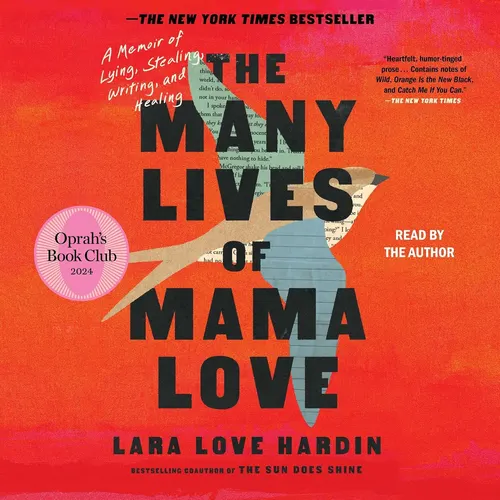
A Portrait of a Mother in Free Fall
Hardin doesn’t write herself as a victim. She writes herself as a woman who made choices. Horrible, selfish, drugged-out choices. She describes the moment she sat in her minivan, nodding off, while her four children waited inside the school for pickup. I’ll be honest, I had to put the book down at that point.
Her core conflict is not with the legal system, though that part is brutal. It is with her own mother. Years earlier, Hardin’s mother abandoned her. So when Hardin herself becomes a mother, she is terrified of repeating the pattern. She tries too hard. She volunteers for everything. She bakes perfect cupcakes. And then she starts using heroin to keep up the performance. The suspense isn’t about whether she’ll get caught. It is about whether her children will ever look at her without flinching.
What makes this memoir different is Hardin’s refusal to sentimentalize motherhood. She does not say “I did it all for my kids.” She says she did it because she was in pain. And that is harder to forgive.
Section 3: Shame as a Physical Substance
The central image of the book is the “Mama Love” persona itself. Hardin calls it a costume she wore. But the costume was also real. She really did love her children. She really did bake those cupcakes. The theft was also real. The addiction was real.
I was struck by how she describes shame. It is not an emotion for her. It is a physical weight. In prison, she feels it in her shoulders. When she visits her children through a glass wall, it sits in her throat. Later, when she becomes a successful ghostwriter for celebrity memoirs, she still carries it. The money doesn’t erase it. The praise doesn’t erase it.
Her craft is subtle here. She uses short, fragmented sentences when describing her lowest moments. Then longer, more fluid sentences when she talks about writing. It is as if her syntax itself is healing.
What We Owe Each Other
Hardin’s story raises an uncomfortable question for our time. We live in an era of cancellation. One mistake and you are done. But what about the people who change? What about the mother who got clean, rebuilt her life, and wrote beautiful books for a living? Do we let her back in?
I closed this book thinking about my own judgments. The mom at school pickup who looks tired. The neighbor who drives a beat-up car. We don’t know what anyone is carrying.
The core insight: forgiveness is not a single act. It is a daily practice. Hardin’s children did not forgive her overnight. Her mother never fully did. But Hardin learned to live with the gap between who she was and who she wants to be. Maybe that is the only real redemption. Not a clean slate. But the courage to keep showing up, even when your hands are dirty.
