I found myself standing in a grocery store aisle a few weeks ago, staring at a bag of avocados. I was thinking about my own grandmother, the way she’d squeeze each one gently, like she was checking a pulse. Then I thought about the hands that picked them. I realized I had no idea who those hands belonged to. I only knew the label: undocumented. And that label, I suddenly felt, was a kind of violence. It made people invisible.
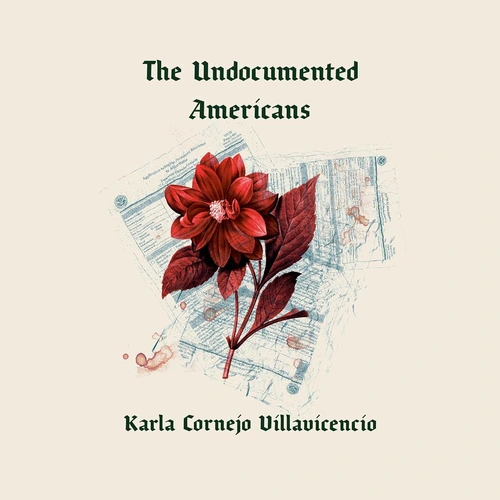
What does it mean to live under a label that erases you? That is the question Karla Cornejo Villavicencio’s book, The Undocumented Americans, refuses to let you ignore.
How a Dreamer Writes Her People Back Into Existence
Cornejo Villavicencio is not a journalist parachuting into a community. She is a former undocumented immigrant herself, and she writes like someone who has been hurt by the country she loves. She introduces us to the day laborers on street corners in New York, the cleaners in the aftermath of 9/11 who developed lung diseases from toxic dust, the migrants in Flint, Michigan who drink poisoned water because they cannot risk a visit to the doctor.
Her portrait of a man named Rigo, who sells fruit on a highway median in Connecticut, stays with me. He stands in the heat for twelve hours. He counts his pennies. He sends money to a daughter he has not seen in eight years. He does not complain. He is not a symbol. He is a man who still dreams of buying his daughter a pink bicycle. The suspense here is not about plot. It is about dignity. You wonder how long a person can hold onto their humanity when the world treats them like a ghost.
The book’s structure is loose, almost like a series of late-night conversations. It is messy and furious and tender. And this messiness, I think, is the point. She is not trying to give you a clean narrative. She is trying to give you a living, breathing community.
Light in the Ruins and the Cost of a Label
The core theme of this book is visibility. Not the kind where politicians point at statistics, but the kind where you see a person’s laugh, their fear, their terrible cooking. Cornejo Villavicencio writes about a woman who cleans office buildings at night. She is invisible to the executives whose trash she empties. But the author notices the way this woman decorates her janitorial cart with a small stuffed bear. That detail. That is the light.
She also writes about her own complicated feelings. She resents the pressure to be a “good immigrant,” the one who is grateful and hardworking and never angry. She admits to feeling rage. She admits to feeling exhaustion. This honesty is what makes the book radical. It rejects the idea that undocumented people must perform their suffering for a sympathetic audience. The subtle light here is the author’s refusal to soften the truth. She shows the community not as victims waiting for rescue, but as people who are already living full, difficult, and sometimes joy-filled lives.
What We Lose When We Refuse to See
This book completes its argument by showing what happens when a society insists on seeing a label instead of a person. The 9/11 cleanup workers, for example, were told they were heroes. But when they got sick, they were denied healthcare because they could not prove legal status. The label “hero” was temporary. The label “undocumented” was permanent.
I finished the book feeling a strange kind of grief. It was not just grief for the suffering I had read about. It was grief for all the stories I will never hear. For the grandmother I will never meet. For the pink bicycle that will never be bought.
This book is for anyone who has ever felt like a number. Or for anyone who has ever reduced someone else to one. It is imperfect. It is raw. It will make you uncomfortable. But that discomfort, I think, is the point. You cannot unsee these people once you have met them. And that is the recommendation. Read it. Not to feel good about yourself. But to learn how to see.
