I picked up Will Guidara’s Unreasonable Hospitality during a week when I felt invisible at work. Not in a dramatic way. More like that slow, quiet fade where you stop expecting anyone to notice your effort. I sat on my couch with the book and a cup of tea that went cold without me touching it. By page thirty I was already annoyed. Not at the book. At myself. Because I knew this was going to change something.
Guidara asks a question that sounds simple but isn’t. What if we stopped treating people the way they expect to be treated and started treating them the way they deserve to be treated? The difference sounds small. It is not small.
The Restaurant That Became a World
Guidara was twenty-six when he took over Eleven Madison Park, a struggling New York restaurant with a beautiful room and no soul. The place was failing. The reviews were mediocre. The staff was going through the motions.
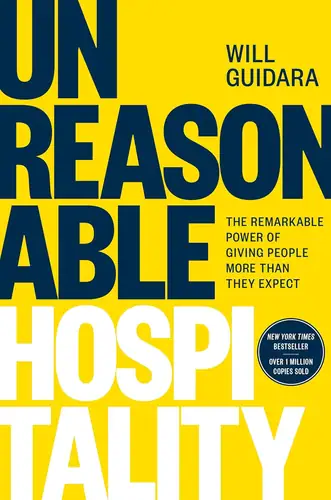
What he built over the next decade became the number one restaurant in the world. But the story isn’t about Michelin stars. It’s about how he got there.
Here is the core contradiction of the book. Guidara argues that hospitality cannot be transactional. You cannot calculate the return on investment for making someone cry tears of joy. And yet he ran a business. He had payroll, suppliers, investors. The tension between generosity and sustainability never fully resolves. I think that is the point.
One story stuck with me. A couple came to EMP to celebrate their anniversary. They had planned a dream vacation to a tropical island. The trip got cancelled last minute. They were heartbroken. Guidara’s team filled a private dining room with sand. They brought in beach chairs. They served mai-tais. They gave the couple a beach vacation inside a restaurant in Manhattan.
I read that and thought: that is insane. That is expensive. That is logistically complicated. That is the kind of thing most managers would call unreasonable.
Guidara calls it necessary.
The Price of Magic
The book has a shadow side that Guidara doesn’t hide from. The quest for unreasonable hospitality can consume you. He describes working eighty-hour weeks. He talks about the pressure of perfection. He admits that his first marriage ended partly because he was married to the restaurant first.
I felt uncomfortable reading those parts. Because I recognized something. The thrill of being the person who makes magic happen. The exhaustion that follows. The way you start measuring your worth by how much you give.
Guidara’s answer is not to slow down. He believes you can have both excellence and balance. I am not sure I agree. But I respect that he doesn’t pretend the path is easy.
The book works best when it focuses on the team. Guidara argues that you cannot give extraordinary hospitality to guests if you treat your staff as replaceable. He talks about praising with intention and criticizing with care. He describes training busboys to think like owners. The best moment in the book for me was when he said that the strongest cage was never iron bars. It was warm, golden affection. The people you love can hold you back more than your enemies ever could.
What This Book Will and Will Not Do for You
Unreasonable Hospitality will not give you a five-step plan. It will not save your failing business. It will not fix a toxic workplace culture overnight.
What it will do is make you feel slightly less alone in the belief that how we treat each other matters. It will give you permission to be excessive in your generosity. It will remind you that the most memorable moments in life are almost never the ones that followed the script.
I finished the book on a Sunday evening. The next morning at work, I saw a colleague struggling with a project. Normally I would have offered help in a way that protected my own time. Instead I sat down and said: how can I make this easier for you? It was a small thing. But it was not the thing I would have done a week before.
That is the book’s real gift. It doesn’t change your mind. It changes your reflexes.
