I read most of this book in a chair I didn’t want to get out of, with the hallway light on. It sounds dramatic, I know. But there’s a specific kind of fear in this novel that doesn’t come from jump scares. It comes from paperwork. From the quiet suspicion that someone else’s memory of a place could be stronger than your deed to it.
That’s the question Marcus Kliewer plants early and never fully answers. What actually makes a house yours?
The Knock That Ruins Everything
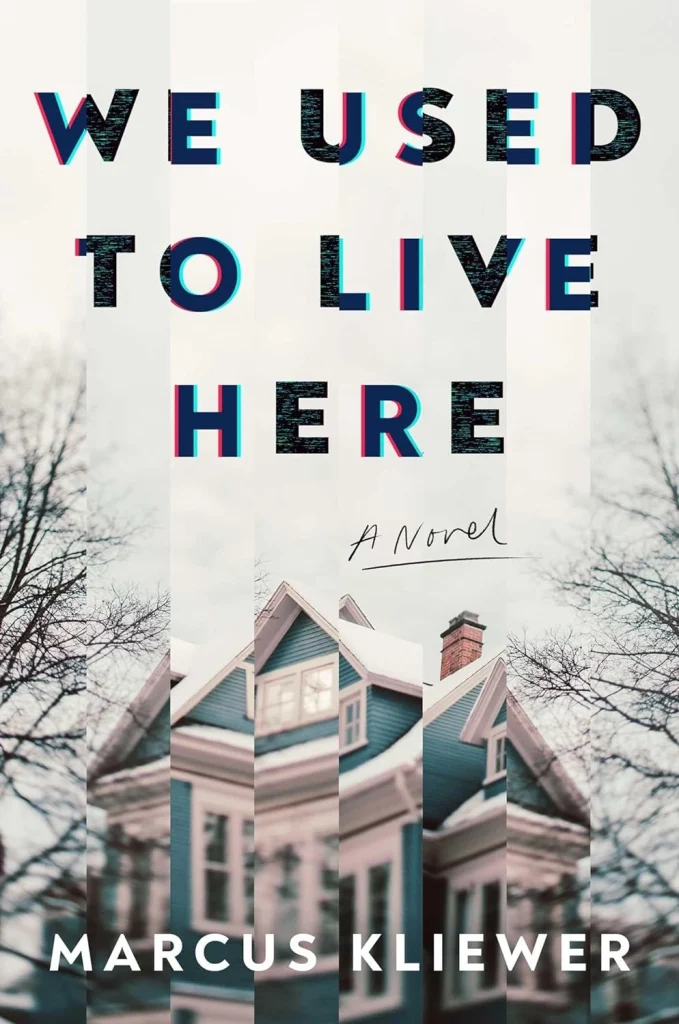
Eve and Charlie are a young queer couple flipping a house in small-town Oregon. They got it cheap. They know that’s strange. They buy it anyway. Eve is the kind of person who apologizes to furniture. Charlie is the one who believes in the deal.
Then a family shows up at the door. Father, mother, three kids, clean and pleasant and very certain. The father, Thomas, says he grew up in this house and just wants to show his children where he lived. Fifteen minutes. Eve says okay.
She shouldn’t have. Not because the family is obviously dangerous. That’s the thing. They’re not. They’re polite in a way that starts to feel like a trap made of good manners. The youngest daughter hides in the basement. A snowstorm seals the road. Charlie drives off to meet the realtor and doesn’t come back.
Kliewer keeps the tension almost unbearably domestic. Someone uses the wrong mug. Someone stays for dinner. The horror isn’t a monster. It’s a guest who won’t read the room.
I kept thinking about the time a neighbor I barely knew asked to look at my apartment because her grandmother had lived there, and I said yes, and then stood in my own kitchen feeling like an intruder. Nothing bad happened. But I remembered that feeling while reading this. Kliewer weaponizes it.
A House That Remembers More Than It Should
The novel’s core image is a basement. Not a dramatic one. Just cold concrete, a bad smell, the kind of space where you don’t linger. Jennie hides there during a game, and afterward something about the house tilts. Eve starts finding things that suggest other people have lived here recently. Or currently. It’s never quite clear.
This is where Kliewer’s craft does real work. He doesn’t explain the rules of his haunting. He lets details pile up like unpaid bills. A photograph that keeps changing. A hallway that feels longer than it was. The family’s children, who seem to know the floor plan better than Eve does.
The book has been compared to Shirley Jackson, and the comparison holds in one specific way. Both writers understand that a haunted house story is really a story about ownership. Jackson’s Hill House consumes its guests. Kliewer’s house doesn’t consume anyone. It just quietly reassigns them. You’re still alive. You’re just not the person who lives here anymore.
That’s the pattern underneath the scares. Anyone can be replaced if the story is told well enough. A stranger with a convincing memory can walk into your life and start rearranging the furniture. The horror isn’t supernatural. It’s social.
The Questions Left Deliberately Open
The ending refuses to answer its biggest questions. Some readers have said this feels like a cheat, and I understand the complaint. Kliewer leaves threads dangling. The family’s true nature stays ambiguous. Charlie’s disappearance never gets a clean explanation.
But the ambiguity is doing something deliberate. If the book explained everything, it would become a puzzle. Puzzles are comforting. You solve them and move on. This novel wants you to keep feeling unsettled after the last page. It wants the questions to stay open, the way a real unease does.
The pacing sags slightly in the middle, when Eve is alone and the paranoia loops without much escalation. A hundred pages of a woman doubting herself gets repetitive. Kliewer’s prose is clean and propulsive, but he leans on the same beats a few times too many.
Still, when the book works, it works at a level most horror debuts don’t reach. The final act reframes everything without cheapening what came before. I sat with the last chapter for a while, not because it was confusing, but because it was cruel in a way I hadn’t expected. Not gory. Cruel. There’s a difference.
If you want a horror novel with a tidy resolution, skip it. If you need your protagonist to be reliable, skip it. If you’re the kind of reader who answers the door because you don’t want to seem rude, definitely skip it, or read it and then never answer your door again.
If you like horror that gets under your skin through atmosphere and implication rather than gore, this is one of the best recent examples. It pairs well with a locked room and a long night. It doesn’t pair well with moving into a new apartment.
The book’s real achievement is that it makes a polite knock feel more threatening than a scream. Kliewer understands something most horror writers miss. The scariest thing isn’t a stranger who wants to hurt you. It’s a stranger who wants to be you.
This book won’t fix your relationship with your home. It will make you check the locks twice tonight, and maybe wonder whose name the previous tenant still remembers.
“Once they’re in, they never leave.”

