Modern parents are moving away from punishment-based parenting, but many still struggle with one question:
How can we be gentle with our children while still teaching responsibility?
Positive parenting is not about letting children do whatever they want. It is about understanding emotions, setting healthy boundaries, and building cooperation instead of fear.
Two influential books that explore this approach from different perspectives are Jane Nelsen’s Positive Discipline and Miles Carter’s The Parent You Aspire to Be.
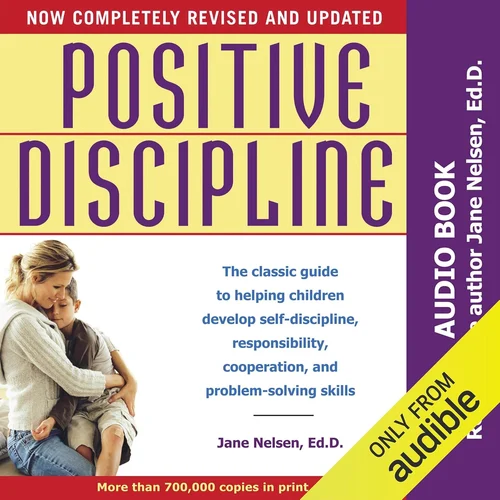
Positive Discipline
Jane Nelsen
I’ve always found that many parents searching for positive parenting advice are not simply asking, “How can I make my child happy?”
They are really asking:
“How can I teach responsibility without damaging my relationship with my child?”
Jane Nelsen’s Positive Discipline is one of the most recognized books in the positive parenting field. Its central idea is that effective discipline should be both kind and firm.
Parents do not need to control children through punishment, and they do not need to avoid boundaries because they fear conflict.
For example, when a child refuses to clean up toys, some parents may respond with a threat: “If you don’t clean up, I’ll throw your toys away.” Others may simply do the task themselves. Positive Discipline encourages parents to find a middle path: acknowledge the child’s feelings while helping them learn responsibility.
What I appreciate about this book is how it changes the way parents think about discipline. Discipline is not only about getting children to obey. It is about helping them develop responsibility, problem-solving skills, and self-control through everyday experiences.
This book is especially helpful for parents who want to reduce punishment and create a more respectful relationship with their children.
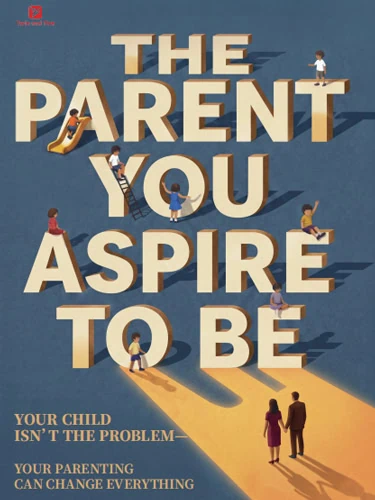
The Parent You Aspire to Be
Miles Carter
I’ve always found that many parents already understand they should not yell at their children. They know punishment is not always the best long-term solution.
The harder question is what happens in the moment of conflict.
Why do anger, stress, and exhaustion sometimes take over even when we want to respond differently?
The Parent You Aspire to Be focuses on a part of positive parenting that is often overlooked: the parent’s own emotional world.
The book helps parents understand children’s behaviors while exploring the needs behind common struggles such as backtalk, procrastination, screen addiction, and emotional outbursts. These behaviors are not always simply signs of disobedience. Sometimes they reflect challenges children do not yet know how to express.
What makes this book meaningful is that it does not only focus on changing children’s behavior. It also helps parents understand how stress, anxiety, the need for control, and personal experiences influence the way they respond.
For example, when a child refuses to do homework, many parents immediately ask:
“How can I make my child finish this?”
This book encourages parents to ask deeper questions:
“Why is my child resisting?”
“Is my response increasing the conflict?”
“How can I maintain boundaries while still creating connection?”
For parents who often find themselves stuck in arguments or feeling guilty because they do not respond the way they want to, this book offers a deeper perspective.
The Main Difference: Changing Behavior vs Transforming the Relationship
Both books share an important belief:
Children need respect, and they also need clear boundaries.
The difference is the question they focus on.
Positive Discipline asks:
“How can parents guide children toward responsibility?”
It provides a framework for reducing punishment and increasing cooperation in everyday parenting.
The Parent You Aspire to Be asks:
“Why do these conflicts keep happening, and how can parents change the relationship at a deeper level?”
It examines not only children’s behavior but also parents’ emotions and psychological patterns.
One book helps parents find better parenting techniques.
The other helps parents become calmer and more understanding caregivers.
Which Positive Parenting Book Should You Choose?
If you want to learn how to create kind but firm boundaries, reduce punishment, and encourage responsibility, Positive Discipline is an excellent starting point.
If your struggles involve frequent conflicts, emotional outbursts, defiance, or feeling overwhelmed by your own reactions, The Parent You Aspire to Be may feel more directly relevant.
I’ve always believed that positive parenting is not about finding a way to make children easier to manage.
It is about changing the relationship between parents and children.
When parents begin to understand the reasons behind behavior and recognize their own emotional patterns, parenting becomes less about control and correction.
It becomes a process of growing together.
