Discipline is one of the areas of parenting that can create the most uncertainty. Parents want children to understand boundaries and learn appropriate behavior, but they may also want to avoid making every difficult moment a battle over obedience.
A thoughtful approach to discipline looks beyond the immediate behavior. Instead of asking only how to stop a child from doing something, parents can also consider what the behavior may be communicating, what skills the child is still developing, and how their response can teach something useful.
This is why many parents turn to parenting books about discipline. Different books explore different approaches to boundaries, communication, emotional development, and helping children learn from mistakes. The following three titles offer useful perspectives for parents who want discipline to remain connected to the larger parent-child relationship.
The Parent You Aspire to Be by Miles Carter
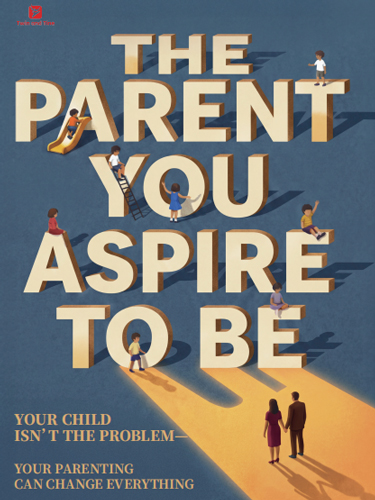
The Parent You Aspire to Be
Miles CarterPractical guidance for tantrums, backtalk, lying, screen addiction, emotional outbursts, and everyday parenting struggles.
Best for connecting discipline with the parent-child relationship
Discipline does not happen separately from the rest of parenting. The way parents respond to difficult behavior can influence whether children experience boundaries as supportive guidance or simply as punishment.
The Parent You Aspire to Be by Miles Carter encourages parents to look more closely at their own responses and at the emotions or needs that may exist behind a child’s behavior. The book takes a broader view of parenting by focusing on awareness, connection, communication, and the kind of relationship parents want to build.
The book helps parents think about how to:
- Respond more intentionally during difficult moments
- Look beyond behavior to understand children
- Maintain connection while setting boundaries
- Build trust through everyday interactions
For parents exploring parenting books about discipline, this relationship-centered perspective can help put discipline into the larger context of raising and guiding children.
No-Drama Discipline by Daniel J. Siegel and Tina Payne Bryson
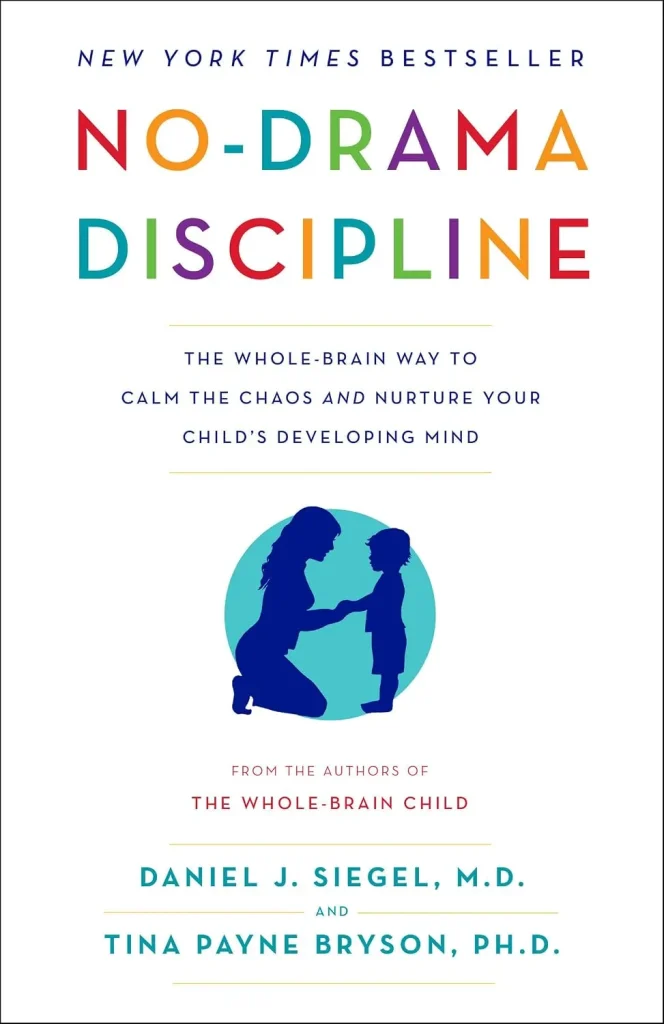
Best for handling challenging behavior without losing connection
Discipline can become especially difficult when emotions are high. Children may be frustrated, angry, or overwhelmed, while parents are also trying to manage their own reactions.
No-Drama Discipline explores ways to respond to difficult behavior while supporting children’s emotional and neurological development. Rather than treating discipline only as a consequence, the book looks at how challenging moments can become opportunities for teaching and connection.
For parents who want a calmer approach to discipline, it provides practical ideas for handling difficult situations while maintaining the relationship.
Positive Discipline by Jane Nelsen
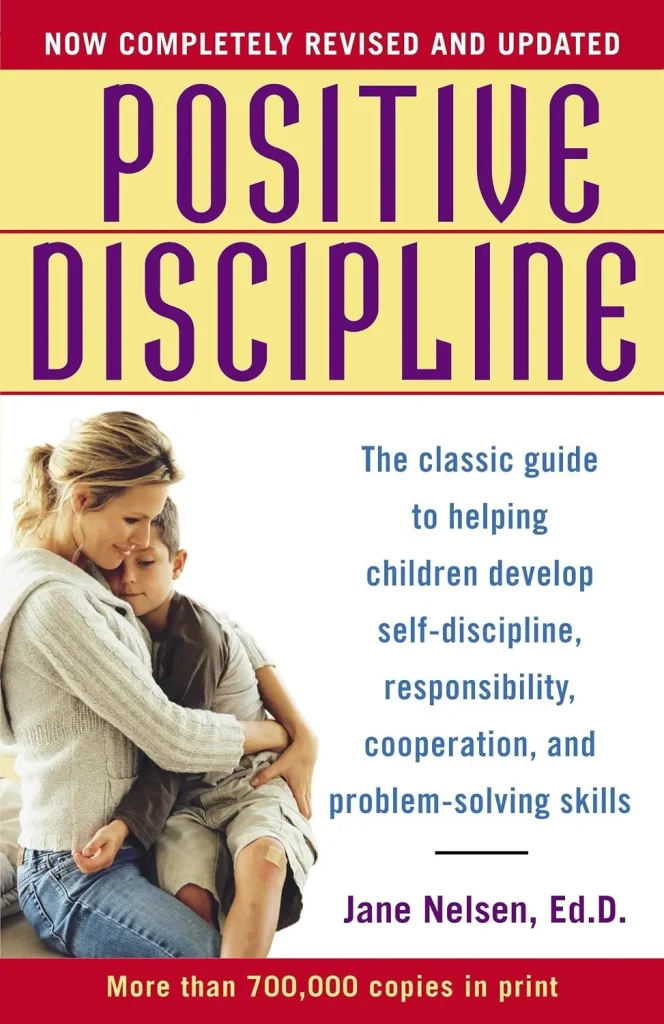
Best for teaching responsibility through respectful boundaries
Children need boundaries, but the way those boundaries are communicated can influence how they respond to them. Positive Discipline explores an approach that combines firmness with respect and focuses on helping children develop responsibility and useful life skills.
The book gives parents ideas for handling misbehavior without relying entirely on punishment or control. Its emphasis on cooperation and long-term learning makes it relevant for parents who want discipline to become part of a child’s development rather than simply a reaction to mistakes.
Why Discipline Is About More Than Correcting Behavior
A child who breaks a rule may need a boundary, but the situation can also reveal something about their emotional state, developmental abilities, or current needs. Looking at the whole situation gives parents more information about how to respond effectively.
This does not mean parents should ignore inappropriate behavior. Healthy discipline still involves clear expectations and consistent boundaries, but those boundaries can be communicated in ways that teach rather than simply punish.
Connection Can Make Discipline More Effective
Children are more likely to accept guidance when they feel that their parents understand them. A strong relationship does not eliminate conflict, but it can create a foundation for working through conflict without turning every disagreement into a struggle for control.
When parents combine connection with appropriate limits, discipline can become an opportunity for children to learn emotional regulation, responsibility, and problem-solving.
Why The Parent You Aspire to Be Is Worth Reading
Many parenting books about discipline concentrate primarily on specific strategies for correcting behavior. The Parent You Aspire to Be by Miles Carter takes a wider perspective by asking parents to think about their own role in the relationship.
For parents who want to become more intentional about how they guide their children, the book offers useful ideas about connection, communication, and understanding the emotions behind behavior. It can help parents approach difficult moments as opportunities to strengthen both boundaries and family relationships.