Some children seem to turn ordinary parenting tasks into a daily negotiation. Getting dressed becomes an argument, homework leads to tears, and a simple “no” can turn into a full-blown meltdown.
After enough of these moments, parents often start thinking of the child as “difficult.” But that label does not tell you much about what is actually happening. A child who argues constantly may be struggling with frustration, emotional control, boundaries, or a need for more independence.
That is where a good parenting book can be useful. The right one should help you understand the behavior and give you something practical to do with that understanding.

Start With the Behavior You Keep Seeing
There is a big difference between a child who occasionally refuses to cooperate and a child who seems to challenge almost every request.
Maybe your child gets angry when you set limits. Maybe they refuse instructions, argue about almost everything, or react far more strongly than you expect. The problem is not always the behavior itself. Sometimes it is the pattern that develops around it.
A parent asks. The child refuses. The parent repeats the request. The child becomes more upset. The parent gets stricter. Before long, both sides are focused on winning rather than solving the original problem.
The Parent You Aspire to Be Looks at the Whole Pattern
The Parent You Aspire to Be is a strong starting point for parents dealing with repeated behavior problems because it does not treat every difficult moment as a separate event.
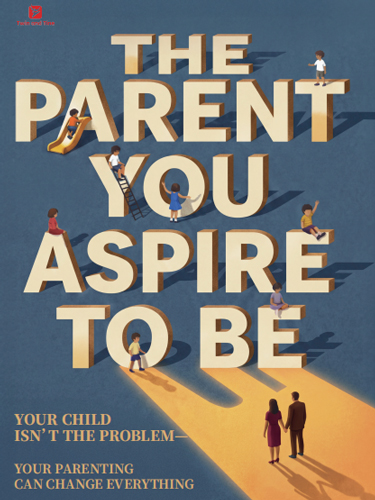
The Parent You Aspire to Be
Miles CarterPractical guidance for tantrums, backtalk, lying, screen addiction, emotional outbursts, and everyday parenting struggles.
The book looks at child behavior alongside communication, emotional management, and the parent’s own reactions. That matters because the same behavior can produce very different outcomes depending on how the parent responds.
For example, imagine a child refusing to put away a phone. One response is to keep repeating the command until the child gives in. Another is to threaten a bigger consequence. But a broader approach asks more questions: Has this become a regular battle? Are the expectations clear? Is the child reacting to the limit itself or to the way the limit is being communicated?
That kind of thinking can help parents move beyond “How do I make my child listen?” and toward “How do I handle this pattern better?”
The Explosive Child Takes Another Route
The Explosive Child by Ross W. Greene is particularly relevant when your child’s reactions seem much bigger than the situation.
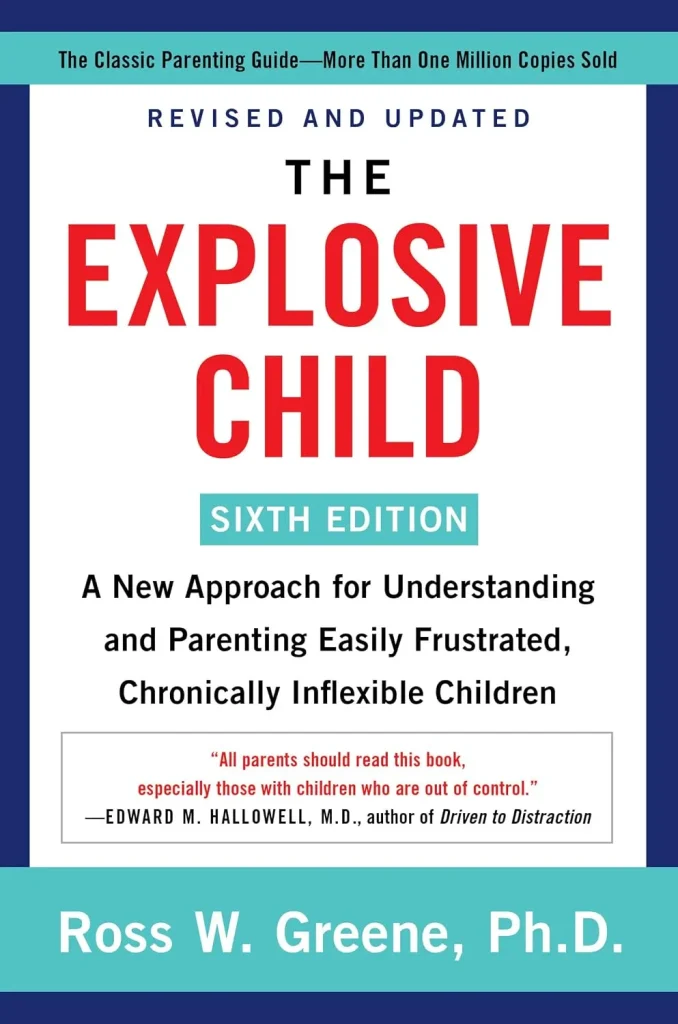
Instead of focusing mainly on compliance, the book looks at the skills a child may be lacking when they struggle with frustration, flexibility, problem-solving, or emotional control. This can be a useful perspective for parents who feel like ordinary discipline methods are not working.
A child who completely falls apart over a small change of plans may not simply be choosing to be difficult. Looking at the situation through this lens can help parents think about what the child is struggling to manage.
Raising Good Humans Focuses More on the Parent
Raising Good Humans by Hunter Clarke-Fields takes the conversation in another direction. It places a strong emphasis on mindfulness and on becoming more aware of your own reactions as a parent.
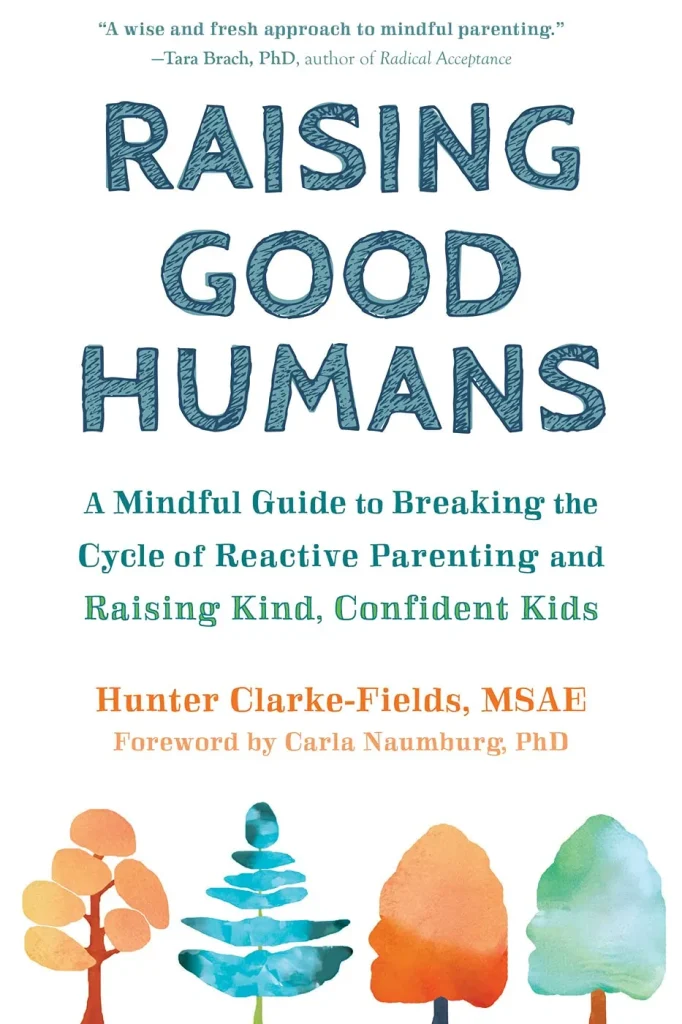
This can be especially useful when difficult child behavior quickly triggers frustration. Sometimes the biggest change does not begin with a new consequence or a better rule. It begins with noticing how quickly you become angry, controlling, or reactive.
That does not mean letting children do whatever they want. It means becoming more deliberate about how you respond when things get hard.
Three Books, Three Different Starting Points
Imagine your 8-year-old refuses to start homework and becomes angry when you insist.
The Parent You Aspire to Be encourages you to look at the full interaction: the child’s behavior, the emotional dynamic, your communication, and the pattern that keeps repeating.
The Explosive Child gives you another lens by asking whether the child is struggling with skills needed to handle frustration and demands.
Raising Good Humans brings more attention to your side of the interaction and how your own emotional state may shape what happens next.
None of these approaches has to be used alone. In fact, seeing the same parenting problem through different lenses can make it easier to figure out what your family actually needs.
Which One Should You Read First?
Start with The Parent You Aspire to Be when difficult behavior shows up in several parts of everyday life and you want a broader practical approach.
Choose The Explosive Child when your main concern is intense reactions, frustration, inflexibility, or situations that seem to escalate very quickly.
Choose Raising Good Humans when you know your child’s behavior is challenging you emotionally and you want to become less reactive yourself.
Difficult Does Not Have to Mean Hopeless
Every child has behaviors that test their parents. What matters is whether you stay stuck reacting to each incident or start recognizing the pattern underneath it.
A useful parenting book should give you a better way to look at those moments, not simply tell you to be stricter or more patient. For parents dealing with a wide range of everyday behavior challenges, The Parent You Aspire to Be offers a practical place to start because it connects the child’s behavior with communication, emotions, and the parent’s response.