You can be doing well on paper and still have a running commentary in your head telling you that you are not good enough. You finish a project and focus on what you missed. Someone compliments you and you wonder if they really meant it. You make a small mistake and spend the rest of the day thinking about what you should have done differently.
Self-doubt is not always loud. Sometimes it looks like procrastination, constantly asking for reassurance, comparing yourself with other people, or setting standards that nobody could realistically meet. Over time, that way of thinking can change how you see your own abilities and worth.
The right books can help because they give you more than a temporary confidence boost. They can help you understand why you are so hard on yourself, question the beliefs behind self-doubt, and develop a more stable sense of self-worth. Here are five books worth reading if you want to start changing that pattern.
5 Books for Overcoming Self-Doubt and Building Self-Worth
1. The Gifts of Imperfection by Brené Brown
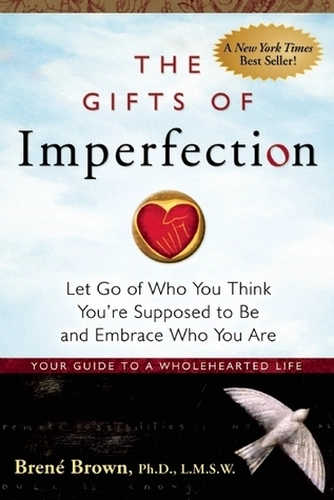
Brené Brown’s The Gifts of Imperfection is a strong choice for anyone whose self-worth depends too heavily on being successful, liked, or in control. The book explores how perfectionism, comparison, shame, and the fear of not being enough can keep people from feeling comfortable with who they are.
Rather than encouraging you to become more impressive, Brown focuses on accepting yourself as an imperfect person. That makes it especially useful if your self-doubt often appears as harsh self-judgment or the feeling that you need to do more before you can feel proud of yourself.
2. Break the Anxiety Circle by Miles Carter
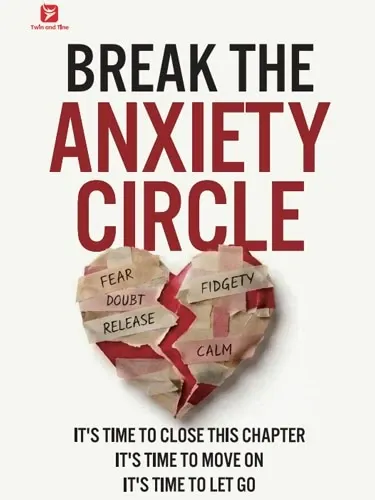
Break the Anxiety Circle is a practical choice for readers whose self-doubt is closely connected to overthinking, regret, emotional sensitivity, or difficulty letting go of the past. Instead of treating confidence as something you simply need to “think” your way into, the book focuses on the thought and emotional patterns that can keep you stuck.
Its approach covers self-love, self-forgiveness, letting go of regret and rumination, managing emotional reactions, and learning to stop making other people’s opinions the measure of your worth. For someone who knows they are too hard on themselves but keeps falling back into the same mental patterns, those ideas can be especially useful.

Break the Anxiety Circle
Miles CarterA mental reset for people trapped in the overthinking loop. Understand why your mind won’t stop racing — and how to break free from anxiety, people-pleasing, and emotional exhaustion.
3. Self-Compassion by Kristin Neff
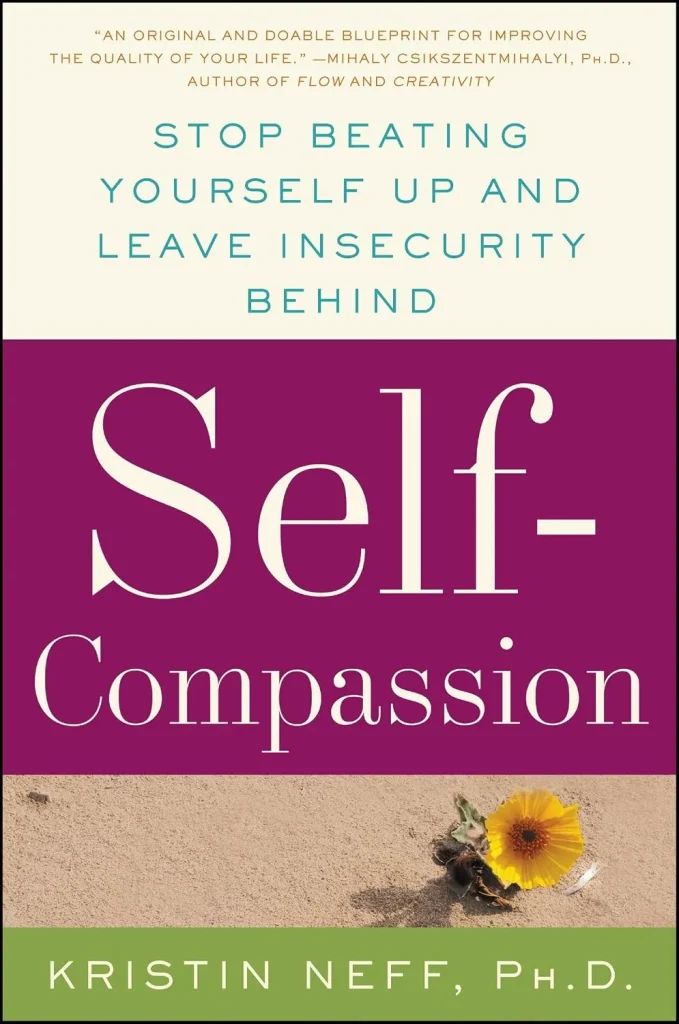
Self-Compassion takes a different approach to confidence by asking a simple question: what would change if you stopped treating yourself like an enemy whenever something went wrong?
Kristin Neff explains how self-compassion differs from self-esteem and why being kind to yourself does not mean lowering your standards. The book is particularly relevant for people who are highly self-critical, struggle with failure, or believe that being hard on themselves is the only way to improve.
4. The Confidence Gap by Russ Harris
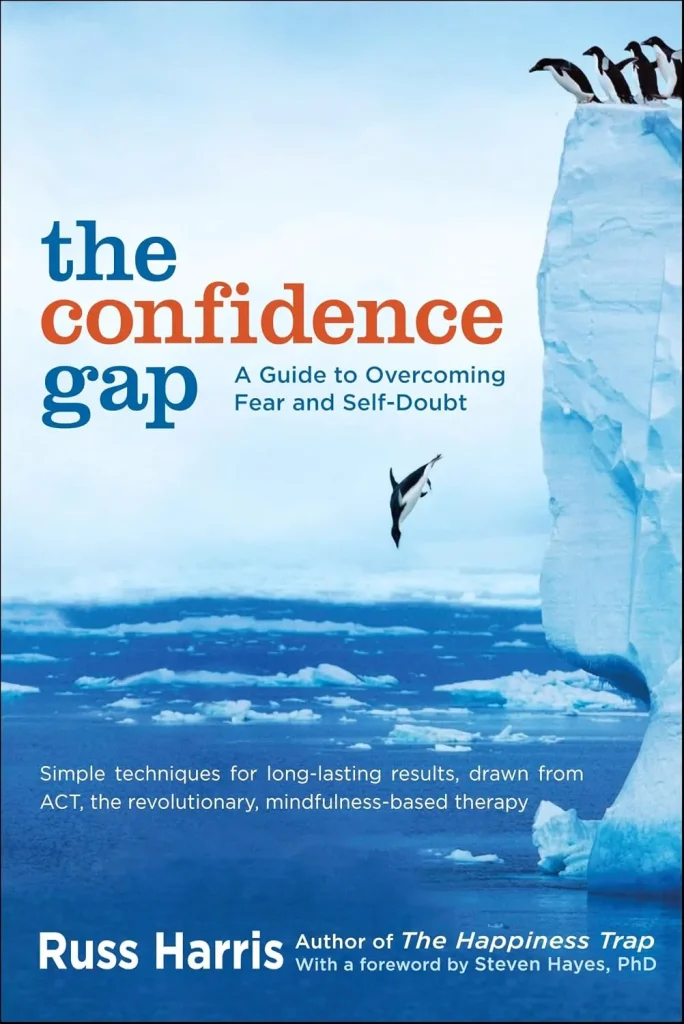
The Confidence Gap is useful if self-doubt is stopping you from doing things you actually want to do. Russ Harris draws on Acceptance and Commitment Therapy to explain why waiting until you feel completely confident can keep you trapped.
Instead of making confidence the requirement for action, the book encourages readers to make room for uncomfortable thoughts and feelings while moving toward what matters to them. That can be a helpful shift for someone who repeatedly thinks, “What if I fail?” before taking the next step.
5. The Six Pillars of Self-Esteem by Nathaniel Branden
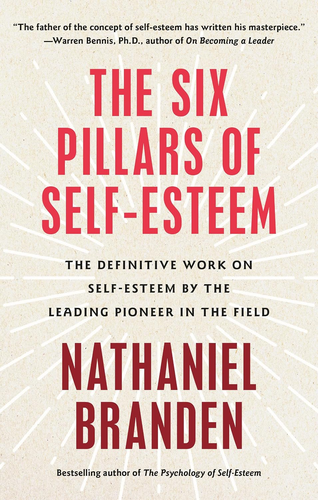
Nathaniel Branden’s The Six Pillars of Self-Esteem looks at self-esteem as something influenced by the way you live, think, act, and take responsibility for your life. Rather than treating self-worth as a feeling that appears out of nowhere, it explores the habits and attitudes that can strengthen it over time.
This makes the book a useful option for readers who want to understand self-esteem at a deeper level. It is less about giving yourself constant reassurance and more about developing a stronger relationship with your own choices, abilities, and responsibilities.
Which Part of Self-Doubt Are You Struggling With?
Self-doubt does not always announce itself as “I don’t believe in myself.” Sometimes it appears as endless analysis before making a decision. Sometimes you keep replaying something you said months ago. Other times, you assume the worst before anything has actually happened.
Looking at the specific pattern can help you understand what is keeping you stuck. If one of the situations below sounds familiar, exploring that particular habit may be more useful than simply trying to “be more confident.”

You Keep Second-Guessing Every Decision
You make a decision, feel relieved for a few minutes, and then start wondering whether you chose wrong. You reconsider your options, search for more opinions, and imagine how things might have turned out if you had made a different choice.
The problem is not necessarily that you are making bad decisions. You may simply have stopped trusting yourself enough to let a decision stay made.
When self-doubt shows up every time you have to choose between options, learning how to stop overthinking decisions can help you understand why your mind keeps looking for certainty that may not exist.
You Keep Replaying Things From the Past
A conversation from three months ago can suddenly come back while you are making dinner. You remember what you said, think about what you should have said instead, and start imagining how the other person might have interpreted your words.
Reflection can help you learn from an experience, but repeatedly putting yourself on trial is different. When your mind keeps reopening old situations without reaching a useful conclusion, the past can become a constant source of self-doubt.
If you find yourself overthinking the past, it may be worth looking at why your mind keeps returning to old mistakes instead of allowing the experience to stay where it belongs.

You Automatically Expect the Worst
Self-doubt can also make uncertainty feel dangerous. A small mistake at work becomes a fear that you will lose your job. A delayed message becomes evidence that someone is upset with you. One difficult conversation starts to feel like proof that the relationship is falling apart.
This pattern is often connected to catastrophizing, where your mind moves quickly from a possibility to the worst outcome. The more often this happens, the harder it becomes to trust yourself because you are constantly preparing for something to go wrong.
Learning how to stop catastrophizing can help you separate what is actually happening from the outcome your mind is predicting.
You Are Constantly Trying to Become “Better”
Personal growth can be healthy, but it can become exhausting when every part of yourself feels like a project that needs fixing. You improve one habit and immediately find another weakness. You reach a goal and move the standard higher. You make progress but barely notice it because you are already thinking about what comes next.
A healthier mindset allows room for improvement without turning every imperfection into proof that you are not good enough. You can have goals and still accept yourself while you work toward them.
You Do Not Feel Worthy Unless You Are Doing Well
For some people, self-doubt is closely tied to self-worth. When work is going well, they feel valuable. When a relationship feels secure, they feel wanted. When they make a mistake or receive criticism, that sense of worth can disappear surprisingly quickly.
Building self-worth means learning to separate your value as a person from your latest achievement, mistake, rejection, or other people’s opinion. It does not mean convincing yourself that everything you do is perfect. It means developing a more stable understanding of your own value.

How to Build Self-Worth Without Becoming Overconfident
Building self-worth is not about convincing yourself that you are better than everyone else. It is about becoming less dependent on comparison, approval, and perfection to feel okay about yourself.
That shift can take time because self-doubt is often reinforced by everyday habits. You might automatically apologize when you have done nothing wrong, dismiss a compliment, compare your progress with someone else’s, or spend hours analyzing a small mistake that other people have already forgotten.
A more stable sense of self-worth comes from learning to respond differently. You can acknowledge a mistake without deciding that you are a failure. You can accept criticism without assuming that the criticism defines you. You can want to improve without believing that you need to become a completely different person first.
Choosing the Right Book for Your Situation
There is no single book that will work in exactly the same way for everyone. If perfectionism and comparison are at the center of your self-doubt, The Gifts of Imperfection may be the better starting point. If you are especially hard on yourself after mistakes, Self-Compassion offers a useful framework for changing that inner dialogue.
If you know what you want to do but keep waiting until you feel confident enough, The Confidence Gap may speak more directly to your situation. And if you want to understand self-esteem as something that develops through the way you live and act, The Six Pillars of Self-Esteem offers a deeper approach.
For readers whose self-doubt is tangled up with overthinking, regret, emotional reactions, and difficulty letting go, Break the Anxiety Circle takes a broader approach. Sometimes the most useful first step is not trying to become more confident overnight, but understanding the thought patterns that keep making you question yourself.
If you found this helpful, these books go deeper into the same themes.



Break the Anxiety Circle
$19.90

From Debt to Wealth
$19.90

