Some children seem to question every instruction, push back against ordinary rules, and insist on doing things their own way. Getting dressed can become a negotiation, turning off a screen can trigger an argument, and a simple reminder can quickly turn into a power struggle. If your child is strong-willed, energetic, or emotionally intense, you may sometimes wonder whether you should be more firm, more patient, or approach the situation differently.
Parenting a spirited child does not mean trying to eliminate their independence or strong opinions. These qualities can become strengths as children grow, but children also need guidance to manage frustration, respect boundaries, and cooperate with others. The right parenting books can help you understand what’s behind challenging behavior and respond without turning every disagreement into a battle.
1. Raising Your Spirited Child by Mary Sheedy Kurcinka
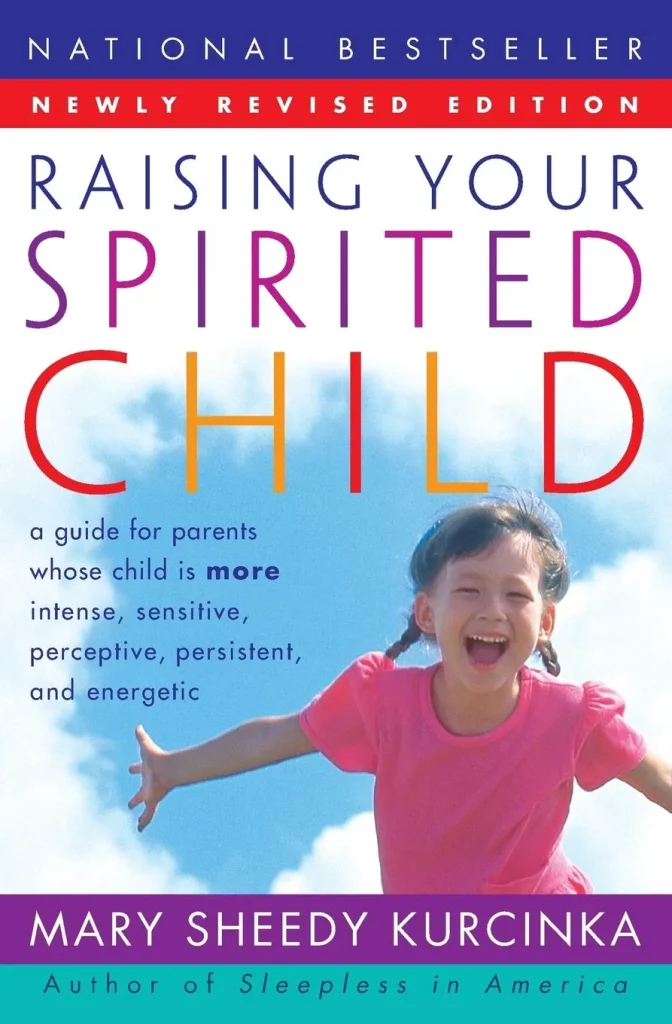
Some children react more intensely to noise, change, disappointment, or unfamiliar situations. They may have strong preferences, abundant energy, or difficulty moving from one activity to another. Raising Your Spirited Child helps parents understand these temperamental differences and consider how to adapt their parenting approach.
Rather than treating intensity as simply bad behavior, the book explores how a child’s temperament can affect daily routines, emotional responses, and family interactions. It offers ideas for recognizing triggers, preparing children for transitions, and creating routines that better fit their needs.
This book may be particularly helpful if ordinary parenting advice doesn’t seem to work for your child. Understanding their temperament can help you respond more effectively while preserving the curiosity, determination, and enthusiasm that make them who they are.
2. The Parent You Aspire to Be by Miles Carter
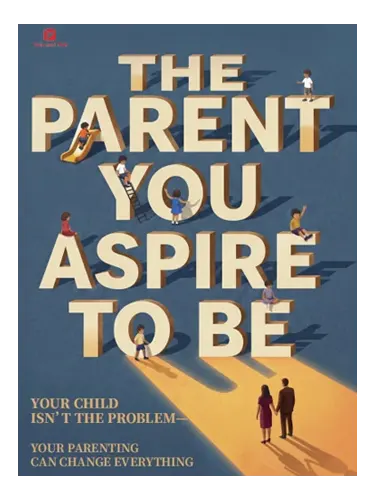
When a child challenges instructions, refuses to cooperate, or reacts intensely to limits, parents can easily fall into a cycle of repeated warnings, criticism, and escalating arguments. The Parent You Aspire to Be by Miles Carter offers practical guidance for changing that pattern while maintaining clear expectations.
The book explores behavior correction, parental emotional regulation, parent-child communication, and the balance between firm boundaries and understanding. It encourages parents to reconsider how their own reactions, expectations, and habits influence children’s behavior rather than trying to control every action.
What parents can learn:
- Correct challenging behavior without constantly criticizing the child.
- Set firm but kind boundaries without relying on yelling or threats.
- Respond more calmly when a child resists instructions.
- Give children room to make age-appropriate choices and develop responsibility.
- Recognize when repeated reminders or excessive control are making conflicts worse.
This book is especially relevant for parents who feel caught between being too strict and giving in just to avoid another argument. It offers a more balanced approach: acknowledge your child’s feelings, make expectations clear, and follow through without turning every disagreement into a contest of wills.

The Parent You Aspire to Be
Miles CarterPractical guidance for tantrums, backtalk, lying, screen addiction, emotional outbursts, and everyday parenting struggles.
3. How to Talk So Kids Will Listen & Listen So Kids Will Talk by Adele Faber and Elaine Mazlish
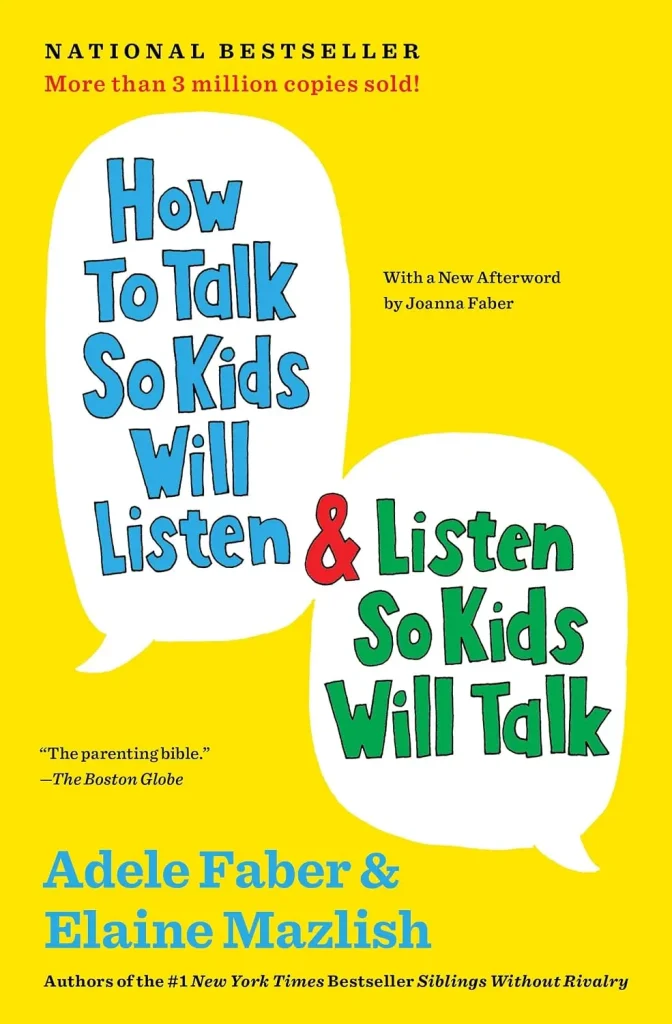
Strong-willed children may resist instructions when they feel misunderstood, dismissed, or left out of decisions. This classic parenting book focuses on communication techniques that help parents acknowledge children’s feelings, express expectations clearly, and encourage cooperation without relying on constant punishment.
Its practical examples explore everyday situations such as sibling arguments, refusal to cooperate, and children’s frustration with limits. Parents can learn to listen without immediately correcting, describe problems without attacking a child’s character, and involve children in finding solutions.
The approach is useful when your child has plenty to say but seems unwilling to listen to your side. Instead of trying to win every argument, you can work toward conversations in which both the parent’s expectations and the child’s feelings are taken seriously.
4. The Explosive Child by Ross W. Greene
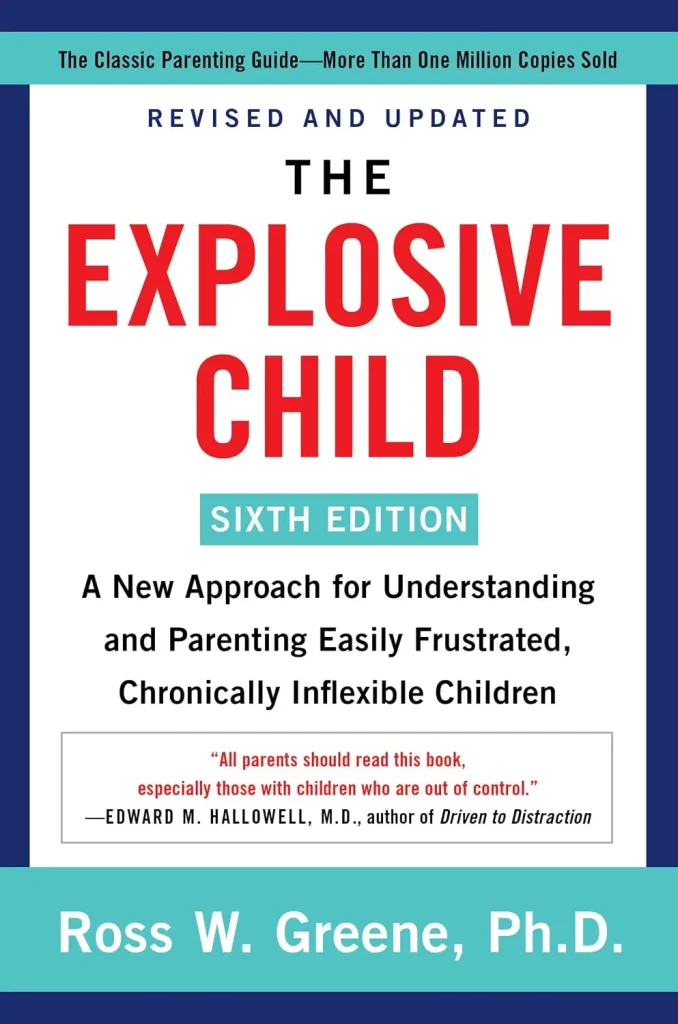
Some children respond to frustration with intense outbursts, prolonged arguments, or difficulty moving past a disagreement. When these reactions happen regularly, parents may feel they have to choose between imposing stricter consequences and avoiding situations that could trigger another meltdown.
The Explosive Child presents a different way to understand challenging behavior. Ross W. Greene emphasizes identifying the situations in which children struggle and addressing the underlying difficulties that contribute to repeated conflicts. Rather than relying exclusively on rewards and punishments, the approach encourages parents to work with children to solve recurring problems.
This book may be useful if your child’s reactions seem much bigger than the situation calls for, particularly when transitions, unexpected changes, or everyday demands repeatedly lead to conflict. It can help parents look beyond the outburst itself and consider what skills or support their child may need.
5. No-Drama Discipline by Daniel J. Siegel and Tina Payne Bryson
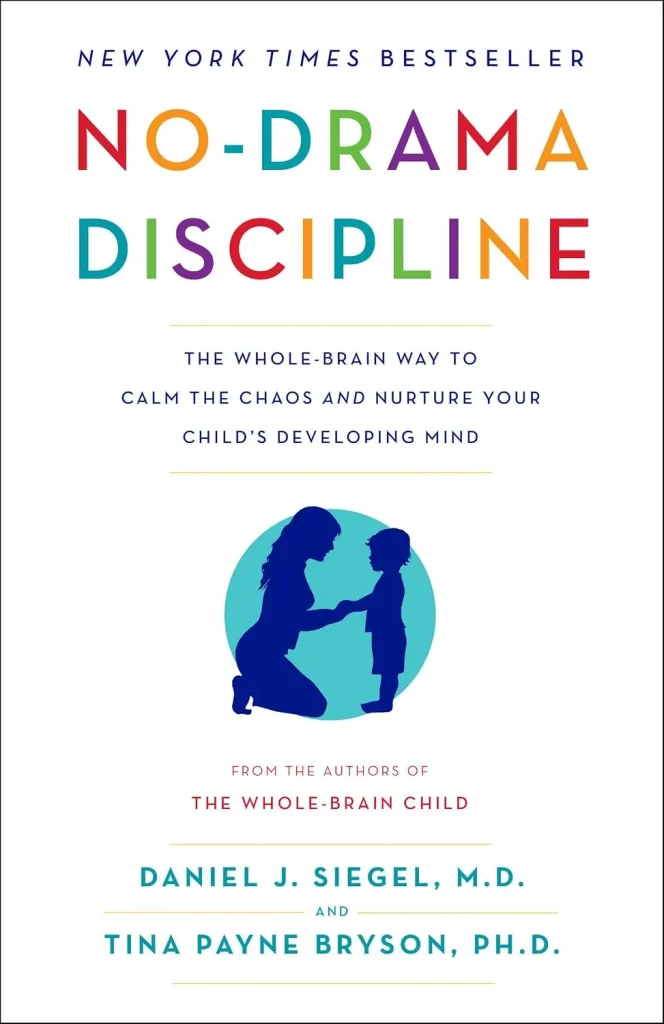
When a spirited child breaks a rule or reacts emotionally, it can be tempting to correct the behavior immediately and firmly. However, discipline becomes less effective when a child is too upset to listen or think clearly. No-Drama Discipline explores how parents can respond to misbehavior while maintaining connection and teaching children to make better choices.
The book distinguishes between reacting to a child’s behavior and using the moment to help them learn. It encourages parents to understand the emotions behind difficult situations, reconnect with their child, and then address the behavior and its consequences.
For parents who want to maintain boundaries without escalating every incident, this approach offers a useful framework. It emphasizes that discipline is not simply about stopping unwanted behavior; it is also about helping children develop the skills to manage emotions, understand consequences, and make more thoughtful decisions over time.
How to Choose the Right Parenting Book for Your Child
Not every strong-willed child struggles for the same reasons. One child may resist instructions because they want more independence, while another may become overwhelmed by frustration or have difficulty expressing their feelings. Choosing a book that addresses your family’s most frequent challenges can make its advice easier to apply.
If you want more guidance on setting limits while encouraging cooperation, explore these positive discipline parenting books.
Consider your biggest parenting challenge:
- Your child has intense emotions or strong reactions: Start with Raising Your Spirited Child to better understand temperament and individual differences.
- You frequently argue about rules and expectations: The Parent You Aspire to Be offers guidance on behavior correction, emotional regulation, and firm but kind boundaries.
- Your child rarely listens to your instructions: How to Talk So Kids Will Listen & Listen So Kids Will Talk focuses on communication and cooperation.
- Small problems regularly turn into major outbursts: The Explosive Child explores recurring difficulties and collaborative problem-solving.
- You want to discipline without escalating conflict: No-Drama Discipline focuses on responding to misbehavior while maintaining connection.
You don’t need to apply every technique at once. Choose one recurring situation, such as getting ready for school or ending screen time, and practice a different response consistently. Small changes in how you communicate and follow through can gradually make difficult interactions more manageable.
Help Your Spirited Child Grow With Confidence
Raising a willful or spirited child can be exhausting, particularly when ordinary requests seem to turn into negotiations or arguments. But a strong personality does not automatically mean a child is deliberately being difficult. They may need clearer boundaries, better tools for managing emotions, more opportunities to make choices, or a different kind of communication from the adults around them.
The best parenting books offer more than quick ways to stop unwanted behavior. They help parents understand their children, reflect on their own reactions, and build routines that balance independence with responsibility. If your goal is to become a calmer, more consistent parent while maintaining a strong relationship with your child, The Parent You Aspire to Be by Miles Carter is a practical place to start.
Did this article help you see things differently? Our books turn helpful ideas into practical tools you can return to anytime.



Break the Anxiety Circle
$19.90

From Debt to Wealth
$19.90


