Your coworker says they want feedback, then gets defensive the moment you give it. Your friend says they are happy for you, but somehow their reaction feels different. Your partner says “nothing is wrong,” but you can feel something has changed.
Why do people do this?
Most of us go through life asking this question and never getting a clear answer. We encounter people who confuse us, and we have no framework for understanding why.
Human nature is complicated because people are shaped by emotions, experiences, biology, and social environments. Psychology has spent decades studying these questions. The challenge is finding books that explain the ideas without making you feel like you need a degree first.
The three books below cover human behavior at different levels. One helps you understand the person in front of you. One explains how your own brain makes snap judgments. One reveals why we so often refuse to admit we are wrong. Together, they give you a complete picture of why people do what they do.
Quick Comparison: Which Book Matches Your Question?
| Your Question | Start With |
|---|---|
| Why does this person seem different than they used to? | Awakening to Human Nature |
| Why do I sometimes make snap judgments that are right—or wrong? | Blink |
| Why do people refuse to admit they are wrong? | Mistakes Were Made |
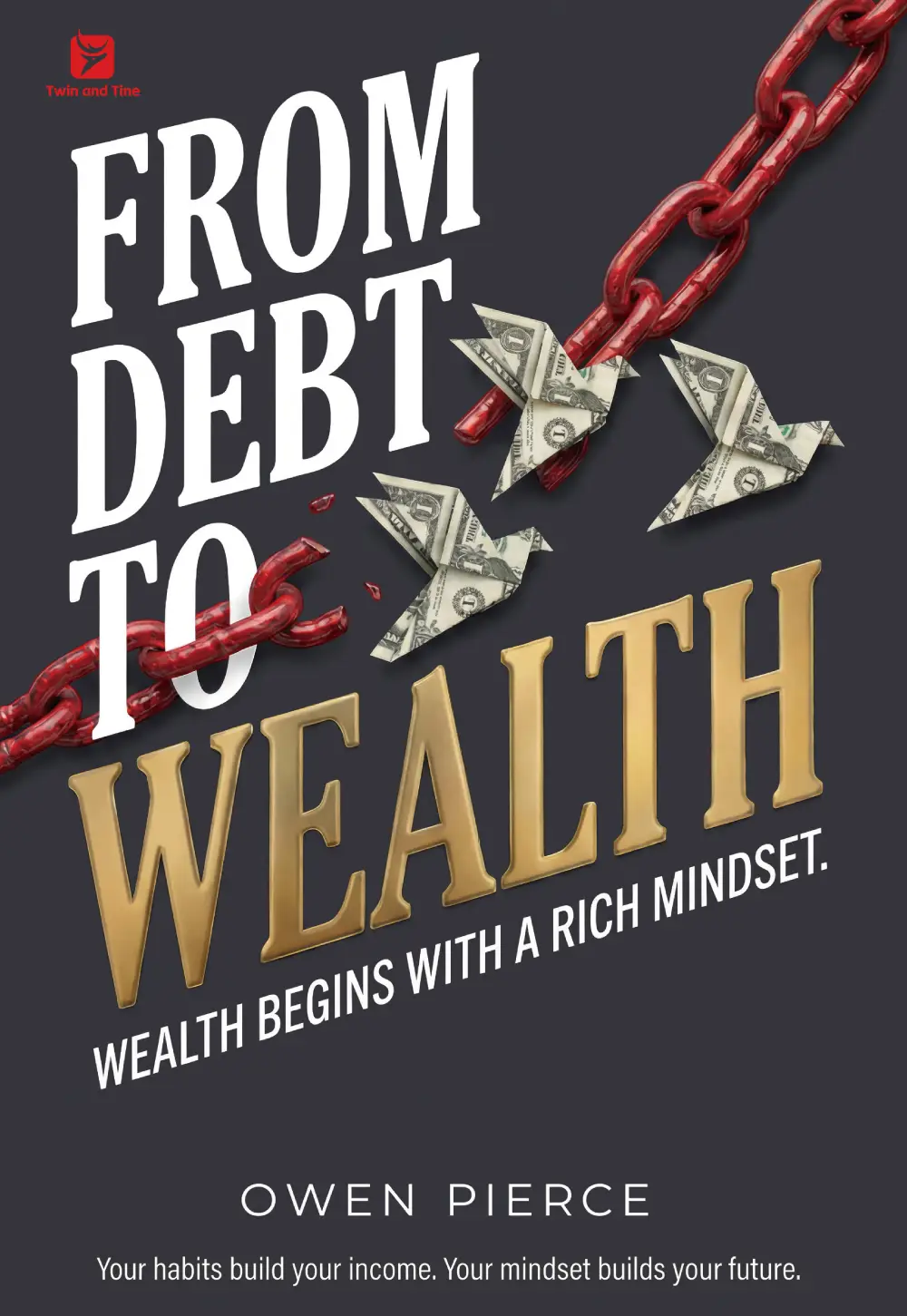
1. Awakening to Human Nature by Owen Pierce
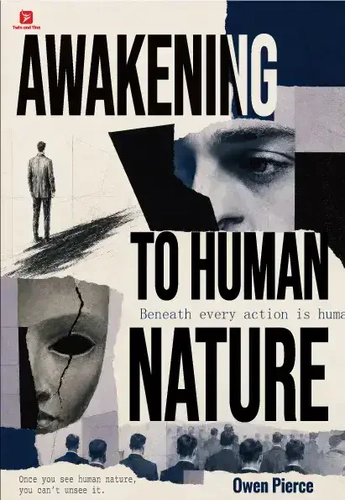
You leave a conversation knowing something was off, but you cannot point to what. Someone’s words and behavior do not match, and you do not know which one to trust. You have probably had this experience more times than you can count.
Pierce gives you a way to notice what is already there. He does not teach you to be suspicious of everyone. He teaches you to pay attention to patterns most people miss. Small changes in communication patterns. A different tone. A hesitation before answering. A mismatch between words and actions.
What makes this book different is the focus on baseline. Most people have patterns in how they communicate and respond. When those patterns change, it is worth paying attention to. Not because you should assume the worst about everyone, but because noticing change is how you stop being confused by the people around you.
The book also covers specific situations: workplace dynamics, personal relationships, and moments of tension or conflict. It does not ask you to memorize theories. It teaches you to pay attention. If you want to understand why someone just did what they did in your last conversation, this is the book to read first.
What you will learn from ‘Awakening to Human Nature’:
- How to notice patterns in communication that most people overlook
- How to interpret gaps between words and actions
- How to protect yourself from manipulation without becoming cynical
- How to build stronger relationships through awareness
This is perfect for anyone who has ever walked away from a conversation wondering what they missed.
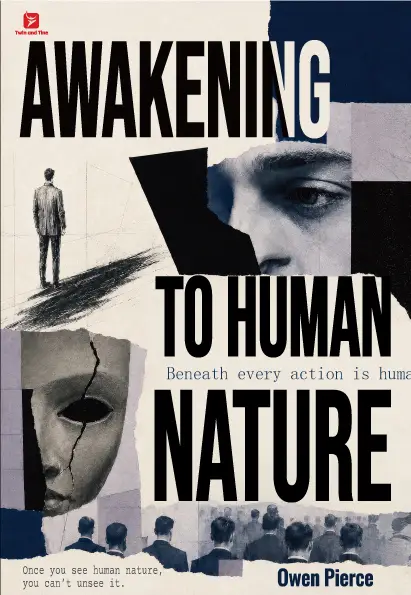
Awakening to Human Nature
Owen PierceA practical guide for understanding hidden motives, social patterns, emotional pressure, and manipulation—so you can read situations more clearly and protect your boundaries with confidence.
2. Blink by Malcolm Gladwell
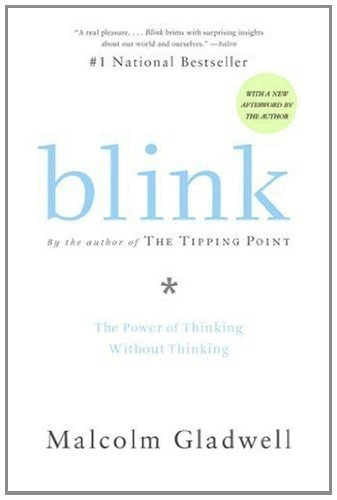
Most books about understanding people assume that careful analysis is the best approach. Gladwell argues the opposite. Sometimes, your brain makes better decisions in two seconds than it does after two hours of careful thought.
Blink is about thin-slicing—the ability to make quick, accurate judgments based on very limited information. Gladwell shows how experts in various fields can make split-second decisions that are remarkably accurate. A museum director who spots a fake sculpture in seconds. A marriage researcher who found that certain interaction patterns can reveal important information about a relationship.
But the book also covers when this instinct fails. When we are tired, stressed, or biased, our snap judgments can be dangerously wrong. Gladwell shows you how to distinguish between the two—when to trust your gut and when to slow down.
What I found most useful is the idea that intuition is not magic. It is pattern recognition that happens so fast you do not even realize it is happening. The key is knowing when your brain is actually seeing a real pattern and when it is just reacting to bias.
What you will learn from ‘Blink’:
- How your brain makes quick decisions without conscious thought
- When to trust your gut and when to slow down
- How experts train their intuition
- The danger of unconscious bias in snap judgments
- How to improve the accuracy of your first impressions
This is perfect for anyone who wants to understand why first impressions are often right—and why they can be dangerously wrong.
3. Mistakes Were Made (But Not by Me) by Carol Tavris and Elliot Aronson
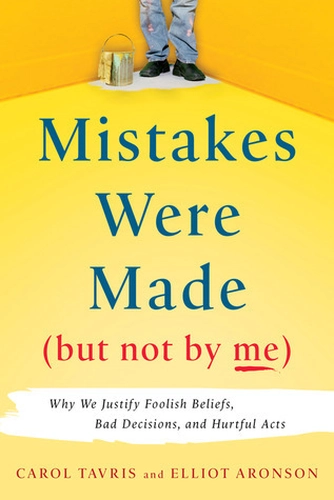
It explains one of the most frustrating parts of human behavior: why people can be completely convinced they are right, even when the evidence says otherwise.
Most of us believe we are honest, fair, and reasonable people. We assume our judgments are sound and our decisions are justified. Tavris and Aronson argue that we are often wrong—and that our brains are wired to protect us from realizing it.
The book is about cognitive dissonance—the discomfort we feel when our actions do not match our beliefs. To reduce that discomfort, we unconsciously rewrite our memories, distort the facts, and blame others. We convince ourselves that our mistakes were not our fault, that our bad decisions were actually good ones, and that people who disagree with us are biased or irrational.
What makes this book essential is the honesty. The authors are not cynical. They are showing you how your brain works. And the examples are unforgettable: why prosecutors become convinced of a defendant’s guilt even when evidence is weak. Why couples rewrite the history of their relationship during a breakup. Why smart people dig in deeper when they are proven wrong.
What you will learn from ‘Mistakes Were Made (But Not by Me)’:
- How cognitive dissonance shapes memory and judgment
- Why smart people make bad decisions and refuse to admit it
- How couples, professionals, and governments justify mistakes
- How to recognize when you are rationalizing instead of reasoning
- How to break the cycle of self-justification
This is perfect for anyone who has ever wondered why people—including themselves—dig in deeper when they are proven wrong.
Frequently Asked Questions
Which book should I read first?
It depends on your biggest frustration. If you are confused by the people around you, start with Pierce. If you want to understand your own intuition, read Gladwell. If you want to know why people refuse to admit they are wrong, pick up Tavris and Aronson.
What is the best book for understanding human behavior?
Each book covers a different layer. Pierce helps you read individuals. Gladwell helps you understand how your brain makes snap decisions. Tavris and Aronson show how we justify mistakes. All three are essential for different reasons.
Will these books help me communicate better?
Yes, particularly Awakening to Human Nature. It teaches you to notice patterns in how people communicate, which naturally makes you more aware in conversations and relationships.
Do I need a psychology background to read these books?
No. These books are written for general readers. They avoid jargon and focus on explaining ideas clearly.
These three books cover different layers of human behavior. Pierce helps you understand the person in front of you. Gladwell explains how your brain makes quick decisions. Tavris and Aronson reveal why we refuse to admit we are wrong.
The best human behavior book depends on the question you are trying to answer.
Trying to understand someone else? Start with Pierce.
Trying to understand your own intuition? Read Gladwell.
Trying to understand why people refuse to admit they are wrong? Pick up Tavris and Aronson.
Start with the one that matches your biggest question. Then read the next when you are ready.
Continue Exploring Human Behavior
Understanding other people is only one part of the process. Learning how to understand yourself, manage emotions, and communicate better can help you build stronger relationships.
You may also want to read:
- Best Books to Improve Social Awareness and Understand People Better
- Best Books to Improve Emotional Intelligence, Communication, and Self-Awareness