Sometimes you care about a friend so much that it starts to scare you.
They reply a little later than usual, and your mind begins to race. They spend time with someone else, and you suddenly feel left out. Nothing terrible has happened, but your chest still gets tight, and you start wondering, “Am I too attached?”
You may simply be emotionally attached to a friend in a way that feels safe sometimes and painful at other times. This is more common than people think.
Quick Answer
Yes, you can be emotionally attached to a friend. It means this friend matters to you. You feel close to them, care about what they think, and their words or actions can affect your mood. That is a normal part of close friendship.
But it can start to hurt when one friend has too much power over how you feel. A late reply may make you worry. Seeing them with another friend may make you feel replaced. You may give too much, not because you truly want to, but because you are afraid of losing them. A late reply may make you worry. Seeing them with another friend may make you feel replaced. You may give too much, not because you truly want to, but because you are afraid of losing them.
A healthier goal is not to stop caring. It is to care without losing yourself.
There is a concept in psychology called anxious attachment.
Anxious attachment is not a mental illness. It is a relationship pattern where closeness can feel both comforting and scary. Some people become especially sensitive to signs of distance, rejection, or being replaced.
This fear may come from past relationships where people felt hard to trust. Maybe someone was close one day and distant the next, so now your brain watches carefully for signs of being left.
But you do not need to solve your whole past first. You can start with small changes in this friendship now.
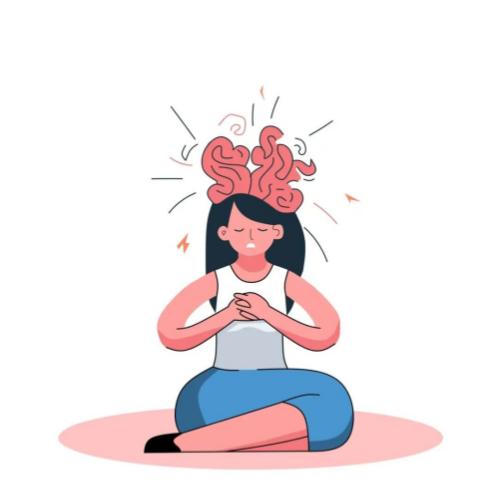
The common signs of anxious attachment in friendship include
Fear of rejection: You often feel “not good enough” and need reassurance, such as, “Do you still like me?”
- Giving too much: You help a lot, say yes too easily, or try hard to make your friend happy. Deep down, you may feel, “If I am useful enough, they won’t leave.”
- Reading into every small change: Their tone feels different. They reply a little slower. They use fewer emojis. Your mind quickly jumps to, “Did I do something wrong?”
- Holding on or shutting down: Sometimes you keep texting because silence feels scary. Other times, you pull away first because getting close feels too painful.
You may also fall into the same cycle again and again: you give too much, stay quiet when you feel hurt, finally explode, blame yourself, miss them, and go back.
You may notice yourself drawn into the same kind of friendship again and again. That does not mean every friend is bad. It may mean an old fear of being abandoned is shaping what feels familiar.
What Helps When You Feel Too Attached to a Friend
1.Wait 24 Hours Before You Overgive
Maybe this feels familiar: when you meet someone you can talk to, you quickly want to help, give, check in, or make yourself extra available. It may feel sincere, but part of you may also be trying to feel safer: “If I give enough, they won’t leave.”
What to try
Before you do something outside your normal range, wait 24 hours first.
For example
- You want to buy gifts for new friends → wait 24 hours
- If you want to offer a big favor right away → wait for 24 hours·
- If you want to send a long message → wait for 24 hours
After 24 hours, ask yourself: “Do I truly want to do this, or am I afraid they won’t like me if I don’t?”
A small step to try today
Tonight, open your notes app and create a note titled “24-hour to-do list”.
The next time you want to do something “outside the normal range” for your friend, write it down first and set a reminder 24 hours later.
After 24 hours, if it still feels like genuine kindness rather than fear, you can choose it calmly.
Often, the strongest impulse will have already passed.
2. Say the Small Discomfort Before It Becomes Resentment
People who feel anxiously attached often hold things in for too long. You may avoid saying you feel hurt because you are afraid conflict will make your friend leave. So you stay quiet once, then twice, then again, until one small thing becomes the final straw.
Your friend may feel confused and surprised: “What’s wrong?”
And you may feel even more hurt: “Why don’t they understand?”
A healthy friendship does not mean you never feel uncomfortable. It means you can say the small thing while it is still small.
Use this simple structure
“When you ______, I feel ______.”
For example, instead of saying, “You always ignore me,” you might say:
“When you made plans with a new friend and didn’t mention it, I felt a little left out.”
That sentence is not an accusation. It gives your friend a chance to understand you before resentment takes over.
A small step to try today: think of one recent moment that bothered you but you stayed quiet about. Write one sentence using “When you ______, I feel ______.” You do not have to send it immediately. First, practice saying it calmly.
3.Ask Yourself: Am I Needed, or Am I Cherished?
Being needed and being cherished can feel similar at first, but they are not the same.
- Needed: Your friend comes to you for help, support, advice, or comfort. You may feel, “I am valuable because they need me.”
- Cherished: Your friend appreciates you, respects your boundaries, and enjoys being with you even when you are not giving or helping. You may feel, “I am loved for who I am.”
Being needed can make you feel useful, but being cherished usually feels more relaxed.
If you only feel valuable when you are needed, friendship can start to feel exhausting. You may keep giving, accommodating, and proving yourself until you have very little energy left.
What to try
Every time you do something for your friend, ask yourself:
“Am I doing this because I want to, or because I’m afraid I won’t matter if I don’t?”
A small step to try today
Open your notes app and write down three questions:
- What did I do today that made me proud, even if no friend noticed?
- Did anyone appreciate me today simply for who I am?
- If I stop giving so much tomorrow, will my value disappear?
The answer to the last question is no, even if it does not feel true yet.
Your value does not have to be proven by being needed.
FAQ About Being Emotionally Attached to a Friend
Is it normal to be emotionally attached to a friend?
Yes. Friendship can create real emotional closeness. Feeling attached to a friend does not automatically mean something is wrong.
Can emotional attachment to a friend become unhealthy?
Yes, it can become unhealthy when your mood, self-worth, or sense of safety depends too much on one friend’s attention, replies, or approval.
Is being emotionally attached to a friend the same as being in love?
Not always. Emotional attachment can happen in close friendship without romantic love. The key question is whether the attachment feels steady and respectful, or anxious and consuming.
How do I stop being so emotionally dependent on one friend?
Start by making your world a little wider. Talk to more than one person when you feel upset. Wait before you give too much. Practice one small boundary at a time.
You do not have to care less about your friend. You only need to stop using this one friendship as proof that you are lovable.
One Small Thing to Try Today
Choose one friendship where you often feel anxious or afraid of being replaced. Before you send another message, buy another gift, or offer another favor, pause and ask yourself:
“Am I doing this from love, or from fear?”
You do not have to stop caring about your friend. You only need to stop proving your worth through the friendship. A healthy attachment lets you feel close to someone without abandoning yourself.
