You ask your child to put away their toys before dinner. Five minutes later, nothing has changed.
You repeat yourself. Then you ask again. Your child keeps playing, and eventually your frustration takes over. Your voice gets louder, the room becomes tense, and everyone walks away feeling upset.
Many parents experience moments like this. The challenge is not that they do not care or do not know how to communicate. Often, the problem is that repeated instructions, emotional reactions, and daily stress slowly create a pattern where both parents and children become frustrated.

Getting kids to listen is not only about making children follow directions. It is about building communication habits where children understand expectations, feel respected, and learn how to cooperate.
The books below explore different approaches to helping children listen, communicate, and respond without relying on constant reminders or yelling.
How to Talk So Little Kids Will Listen by Joanna Faber and Julie King
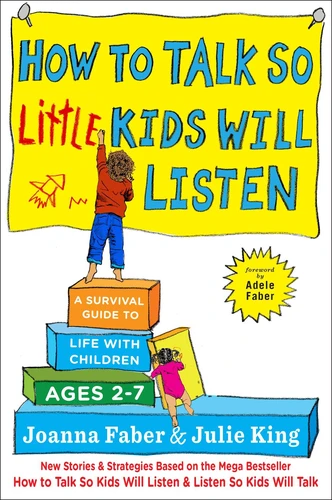
Learn communication strategies that encourage cooperation
Many parenting conflicts begin with everyday requests: getting dressed, leaving the house, turning off screens, or cleaning up after playing.
How to Talk So Little Kids Will Listen focuses on how parents can communicate in ways that make children feel understood while still maintaining expectations.
The book introduces practical techniques such as acknowledging feelings, offering choices, and involving children in problem-solving. These approaches can help reduce power struggles because children are more likely to cooperate when they feel heard.
For parents who often find themselves repeating the same instructions over and over, this book provides simple communication tools that can be used in daily situations.
The Parent You Aspire to Be by Miles Carter

Build cooperation through calmer communication and stronger connection
When children do not listen, the first reaction is often to focus on the behavior: “My child is ignoring me,” or “My child is being difficult.”
However, many situations become easier when parents look at the communication happening underneath the behavior.
The Parent You Aspire to Be explores how parents can handle challenging moments through emotional regulation, clear boundaries, and better parent-child communication.
The book focuses on realistic situations many families experience, including children refusing requests, emotional outbursts, arguments, and repeated conflicts. Through practical examples, it helps parents understand how their own responses influence the way children react.
For parents who want to create cooperation without depending on anger or constant correction, the book offers strategies that can be applied in everyday family life.

The Parent You Aspire to Be
Miles CarterPractical guidance for tantrums, backtalk, lying, screen addiction, emotional outbursts, and everyday parenting struggles.
No-Drama Discipline by Daniel J. Siegel and Tina Payne Bryson
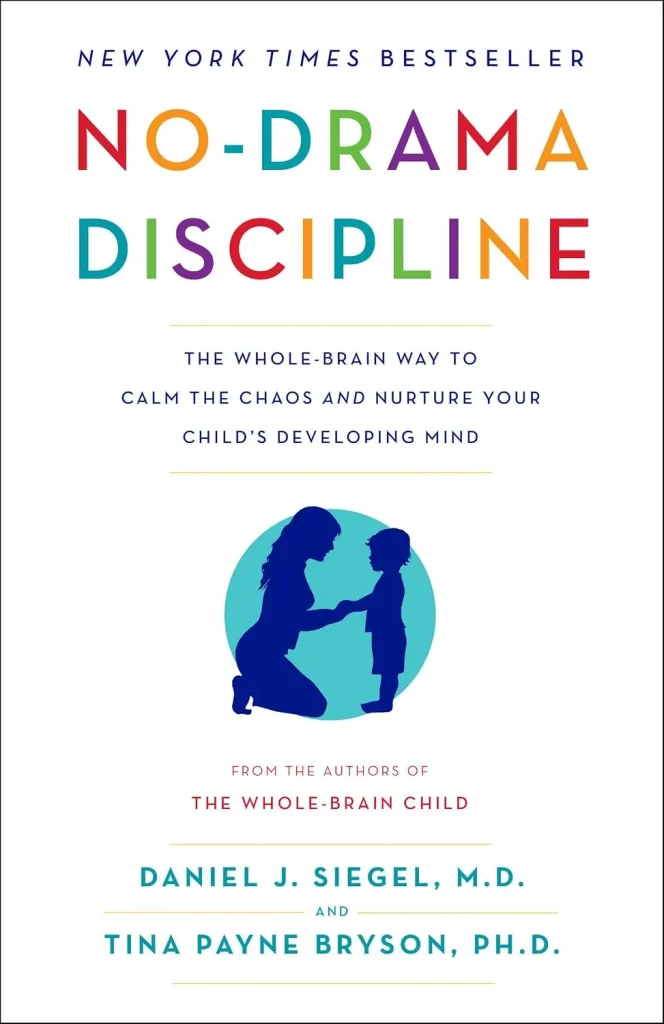
Set limits without damaging connection
Some parents worry that if they stop yelling, children will stop listening. Others feel that being too gentle means children will not respect boundaries.
No-Drama Discipline explores a different approach: discipline as teaching rather than punishment.
The book explains how parents can respond to misbehavior while helping children develop emotional skills. Instead of focusing only on stopping an unwanted action, it encourages parents to understand what children need to learn from the situation.
This approach can be especially helpful for parents who want to maintain authority while creating a more positive relationship with their child.
The Whole-Brain Child by Daniel J. Siegel and Tina Payne Bryson
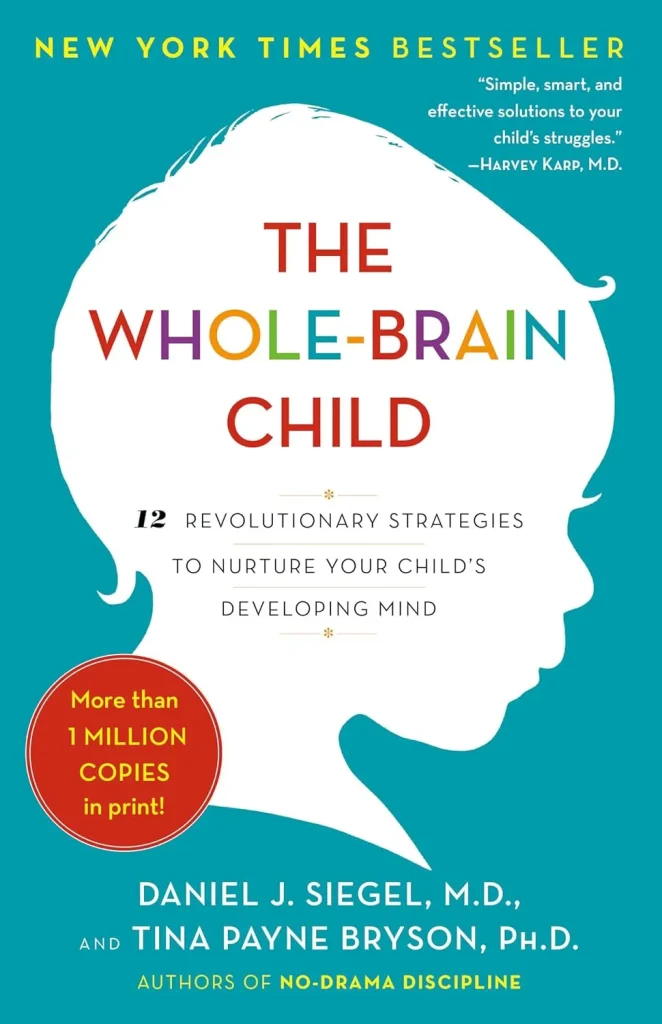
Understand why children struggle to control their reactions
Sometimes children do not listen because they are refusing. Sometimes they are overwhelmed by emotions and do not yet have the ability to respond differently.
The Whole-Brain Child explains how children’s developing brains influence their reactions, emotional control, and decision-making.
The book helps parents understand why a child may suddenly become upset, ignore instructions, or react strongly to small frustrations. By understanding the reasons behind these reactions, parents can respond in ways that teach rather than simply correct.
For parents trying to improve cooperation, understanding how children think and process emotions is an important foundation.
Positive Discipline by Jane Nelsen
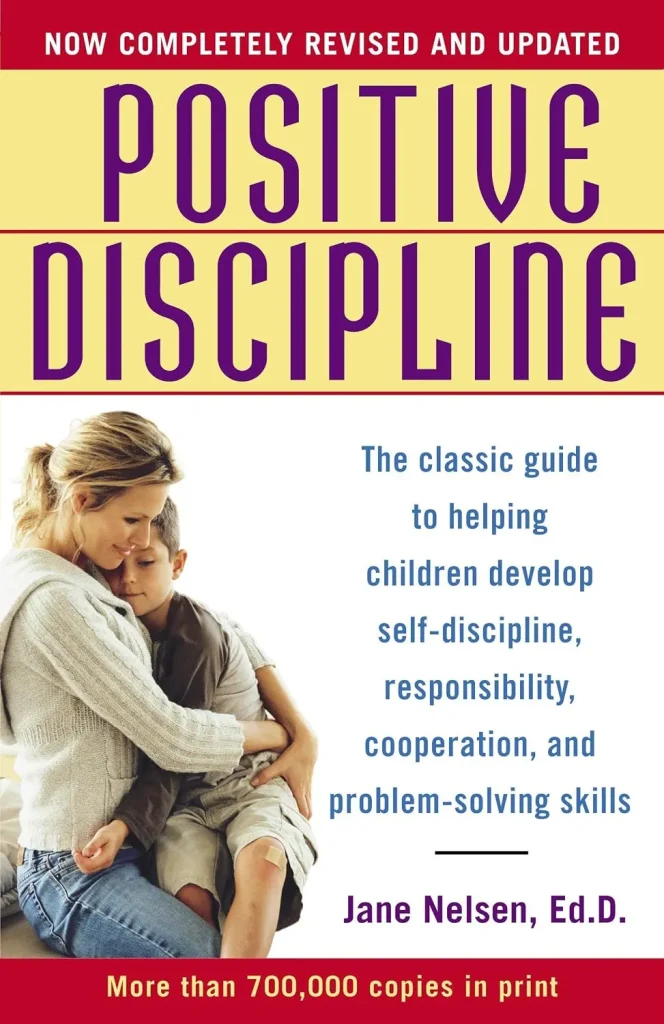
Teach responsibility while maintaining respect
Jane Nelsen’s Positive Discipline focuses on helping children develop responsibility, problem-solving skills, and confidence.
The book challenges the idea that children only learn through punishment or rewards. Instead, it explores how parents can create boundaries while encouraging children to understand the impact of their choices.
Positive discipline does not mean allowing children to do whatever they want. It means combining kindness with consistency and helping children learn from experiences.
This approach can be useful for parents who want their children to listen because they understand expectations, not simply because they fear consequences.
Why Kids Stop Listening When Communication Becomes a Battle
When children hear repeated instructions followed by frustration, they may begin to focus more on the emotion behind the message than the message itself.
A child may not only hear:
“Clean up your toys.”
They may hear:
“You are always doing something wrong.”
Over time, communication can become a pattern where:
- Parents feel ignored and become more frustrated.
- Children feel criticized and become more resistant.
- Both sides focus on winning instead of understanding.
Changing this pattern requires more than speaking louder. It requires changing how parents and children communicate with each other.
How to Encourage Kids to Listen Without Raising Your Voice
Getting children to listen does not happen through one perfect phrase. It comes from consistent communication habits.
Parents can start by:
- Getting closer before giving instructions instead of shouting from another room.
- Making expectations clear and specific.
- Offering limited choices when possible.
- Acknowledging feelings before correcting behavior.
- Following through with calm and consistent boundaries.
Children are still learning how to manage emotions, solve problems, and understand expectations. The way parents communicate during difficult moments becomes part of that learning process.
Building Better Communication at Home
Helping children listen is not only about getting faster results in the moment. It is about creating a relationship where children feel understood and parents feel more confident in handling challenges.
For parents who want to explore how respectful communication works alongside consistent boundaries and responsibility, these positive discipline parenting books offer further guidance.
The Parent You Aspire to Be can help parents apply these ideas to everyday situations through practical examples and realistic communication strategies. The book explores common parenting struggles such as resistance, emotional reactions, and repeated conflicts, showing parents how to respond with both empathy and clear boundaries.
For families who want fewer power struggles and more meaningful conversations, learning how to communicate differently can be the first step toward lasting change.
Did this article help you see things differently? Our books turn helpful ideas into practical tools you can return to anytime.



Break the Anxiety Circle
$19.90

From Debt to Wealth
$19.90


