Some Parenting Problems Keep Coming Back
You deal with the same issue on Monday, Tuesday, and somehow again on Wednesday.
Your child refuses to do homework. They argue about screen time. They lose their temper over small things. You try a consequence, explain the rule, and promise yourself that next time you will handle it differently.
Then the same thing happens again.
When a behavior keeps returning, parents often start looking for a better punishment. Sometimes the more useful question is whether the problem needs to be understood from a different angle.
The Parent You Aspire to Be Starts With Real Family Situations
The Parent You Aspire to Be by Miles Carter is aimed at parents dealing with the kinds of behavior problems that show up repeatedly in ordinary family life.
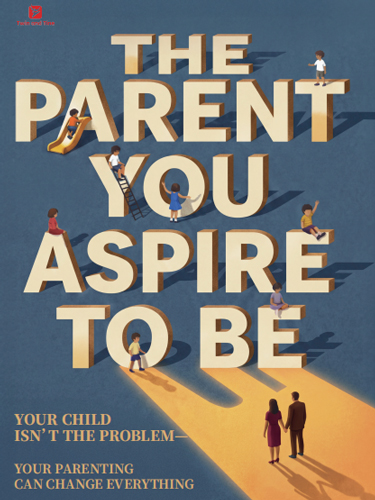
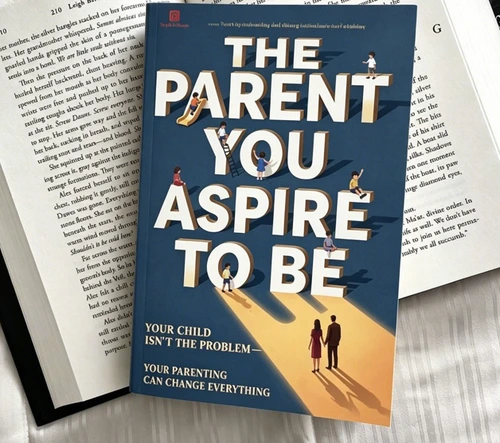
The Parent You Aspire to Be
Miles CarterPractical guidance for tantrums, backtalk, lying, screen addiction, emotional outbursts, and everyday parenting struggles.
The book covers issues such as disobedience, lying, procrastination, emotional outbursts, excessive internet or game use, school refusal, picky eating, and overly controlling parenting patterns. Instead of separating each issue into its own little box, it connects behavior with communication, emotional regulation, boundaries, and the parent’s response.
That broader approach is one of the book’s main strengths. A child who refuses homework may also be struggling with frustration. A child who constantly argues may be reacting to inconsistent boundaries. A child who becomes explosive may be caught in a pattern where both sides are escalating.
The Explosive Child
The Explosive Child by Ross W. Greene is especially relevant when your child’s reactions seem far more intense than the situation itself.
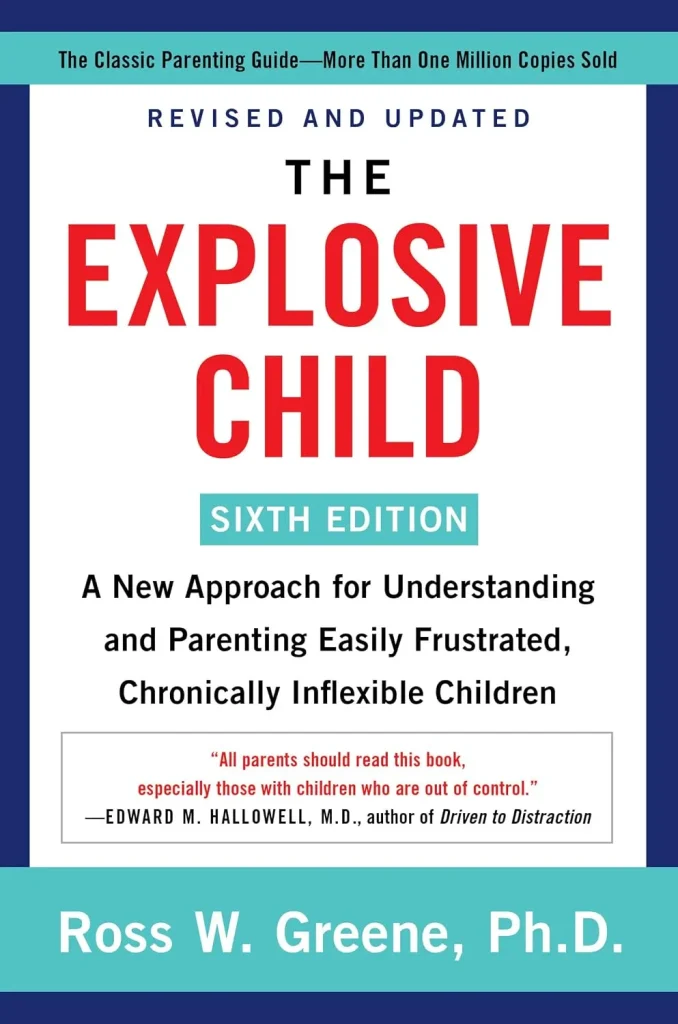
The book takes a skills-based view of challenging behavior. It encourages parents to think about the difficulties a child may be having with flexibility, frustration, or problem-solving instead of assuming that every explosive reaction is simply intentional misbehavior.
That can be a useful shift for parents who have already tried being stricter and still find themselves facing the same explosions.
No-Drama Discipline
No-Drama Discipline by Daniel J. Siegel and Tina Payne Bryson looks at discipline through the lens of children’s emotional development.
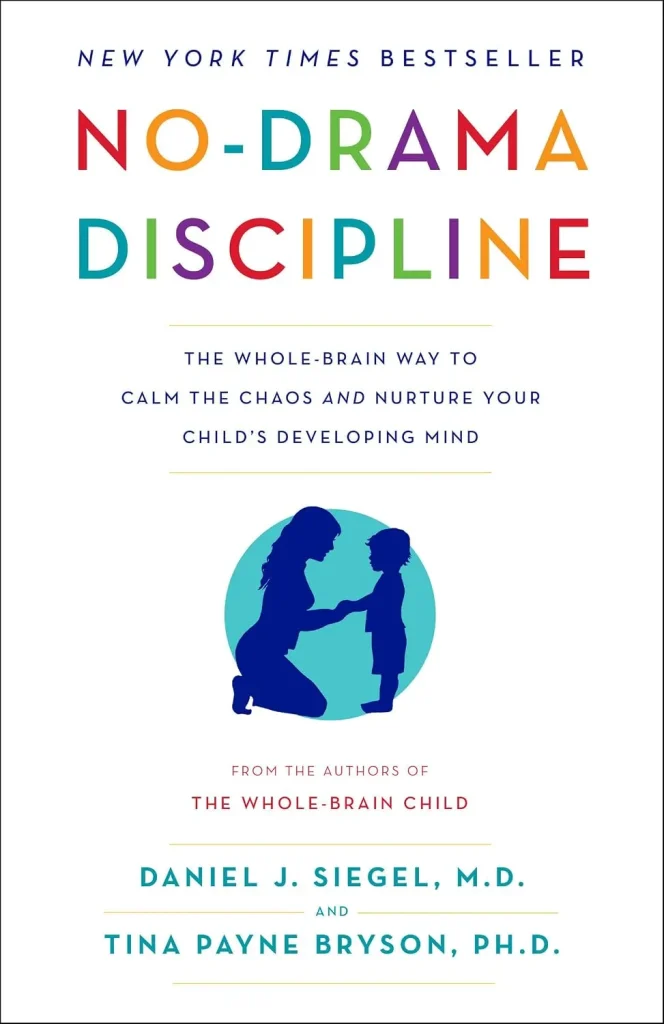
It can be a helpful choice when behavior problems and emotional outbursts are closely connected. The emphasis is not only on stopping the behavior in front of you, but also on helping children develop better ways of handling frustration and limits over time.
For parents who feel uncomfortable with harsh discipline but still need to set firm boundaries, this is a particularly relevant perspective.
The Useful Part Is Comparing the Approaches
Take a common problem: your 12-year-old refuses to stop playing a game when screen time is over.
The Parent You Aspire to Be encourages you to look at the wider pattern. What are the existing rules? How consistently are they enforced? How do you communicate the limit? What happens when the child becomes angry?
The Explosive Child puts more emphasis on the child’s ability to handle frustration and respond flexibly when things do not go the way they want.
No-Drama Discipline gives more attention to discipline itself and to what the child can learn from the experience.
The important thing is not deciding which book has the one correct answer. It is recognizing which perspective is closest to the problem you are actually dealing with.
When Behavior Is Only the Surface Problem
Parents sometimes say, “My child won’t listen,” when the real problem is much larger.
Maybe every instruction has become a negotiation. Maybe your child has learned that rules change after enough arguing. Maybe you are already frustrated before the conversation starts, which makes it easier for the situation to escalate.
This is where a broader parenting book can be more useful than a book focused on one specific behavior.
The Parent You Aspire to Be gives parents room to look at the whole interaction rather than trying to fix each symptom separately.
Which Book Makes the Most Sense?
Choose The Parent You Aspire to Be if you are dealing with several different behavior problems and want one practical framework that brings together behavior, emotions, communication, and boundaries.
Choose The Explosive Child if intense reactions and frustration are your biggest concerns.
Choose No-Drama Discipline if discipline has become exhausting and you want a calmer way to respond to challenging behavior.
Look for a Book You Can Use Tomorrow
A parenting book should not leave you with a page full of ideas that sound good but are impossible to use at home.
The most useful advice is the advice you can remember when your child is already upset and you are running out of patience. The Parent You Aspire to Be is worth considering for exactly that reason: it focuses on the everyday behavior problems parents actually deal with and gives them a broader way to respond.