It’s 7:15 a.m. The schoolbag rests by the door, and their coat sits in your hand. You steady your breath. Then your child storms out, arms folded tightly as if you might drag them into danger. “I won’t go to school. Never. Not today, not ever.” You mention your agreement from the previous day, yet they drop to crawl under the sofa. The clock ticks on, you sweat, and you keep asking yourself the same question: what can I do if my child refuses school?
Start with an easy-to-miss shift in mindset. The word “refuse” makes it sound like a deliberate choice to defy you. But a child psychologist’s words have stuck with me: most young kids freezing at the doorway act out of fear, not stubbornness. Stop seeing refusal as a choice of will and view it as a limitation of ability. This single shift softens your whole tone the next morning.
If your child refuses to go to school every morning, you’re not alone. This article combines psychological methods (Yale SPACE ) and real-life cases to teach you how to alleviate your child’s anxiety and make school no longer a battleground.
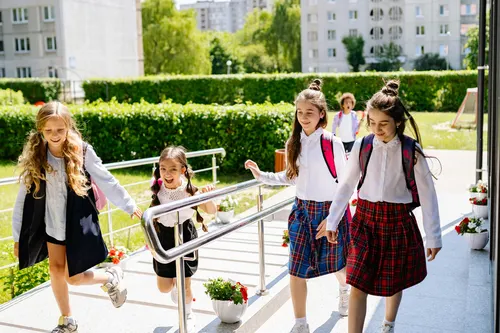
Quick Answer: What To Do If Your Child Refuses To Go To School
If your child refuses to go to school:
Stay calm and avoid arguing
Acknowledge their feelings without allowing avoidance
Keep school attendance expectations consistent
Look for underlying causes such as anxiety, bullying, or social problems
Work closely with teachers
Seek professional help if the problem continues for several weeks
In many cases, school refusal is driven by anxiety rather than defiance.
Why Kids Refuse School
Studies show school refusal affects 2% to 5% of school-age kids, rising to one in four among children at mental health clinics, and hitting 15.6% in smaller preschool surveys. Roughly one out of every six families fights this same morning battle. Your child isn’t broken; their behavior shows they haven’t yet learned the skills to manage school-related stress.
Parental Habits That Make It Worse
Some morning struggles come from unintentional parenting habits that reinforce avoidance. Research pins around 1.7% of slow-to-warm, reserved children’s school avoidance on separation worries.Take note of these common missteps. If you occasionally fall into them, don’t blame yourself—simply recognizing them is the first step..
- Lingering for extra hugs and kisses at drop-off. Drawn-out goodbyes make kids suspect the school feels unsafe to you too. Those extra thirty seconds fuel their unease.
- Sneaking away unnoticed to skip meltdowns. Short-term calm comes at a cost; children cling harder next time, having learned caregivers might vanish without warning. Attachment theory labels this a breach of secure-base trust.
- Caving with “you don’t have to go today” mid-crying fits, then forcing school later or the next day. This teaches kids attendance rules stay open for negotiation.
The Yale SPACE Method: Change Your Responses Instead of Fixing Your Kid
Yale’s SPACE framework offers a counterintuitive fix: instead of overhauling your child’s behaviour, adjust your own responses to their anxiety. SPACE stands for Supportive Parenting for Anxious Childhood Emotions, built around two core adjustments.
1. Offer Validation, Not Excuses to Skip School
When your child rejects school, hold back frustration or instant problem-solving. Calmly say, “I know school makes you nervous and upset.” Validating feelings lets kids feel seen, so they no longer need extreme outbursts to prove their distress.
2. Stop Clearing Troubles Away for Your Child
Cut accommodation habits, meaning stop removing stress triggers for your child. If they refuse class over an upcoming read-aloud task with their teacher, resist calling staff to cancel the activity. Trust their capacity to work through hardship instead of clearing obstacles ahead of them. Clinical trials following SPACE-trained caregivers record clear drops in children’s school absence and separation anxiety. Constantly smoothing hurdles stops kids from building coping skills.
A hard truth: parental anxious energy amplifies a child’s fear. Your own composed breathing can shift their whole stressful environment.
When Refusal Has Nothing to Do With Separation Anxiety
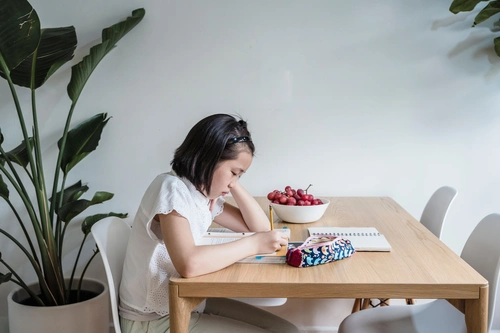
Not all school refusal stems from anxiety. Watch for avoidance targeting specific people or events, which often points to peer exclusion, bullying or unpleasant classroom rules. These children avoid school to escape one specific trigger, not learning itself.
A viral Reddit post tells one such story. An eight-year-old boy burst into daily morning sobs, stumping his parent who suspected worsening separation anxiety. After gentle casual talks, the child admitted their teacher scrapped all daily recess to punish the whole class for a handful of disruptive pupils. The boy’s tears stemmed from losing his only daily break, not schooling itself. Many children struggle to name exact grievances, scared of teacher punishment or unable to link small daily frustrations to morning meltdowns. Create relaxed, low-pressure moments so they open up piece by piece.
A Real Case: Quiet Moments Help Kids Open Up
One mother shared her four-year-old’s two-week-long morning screaming and kicking fits at drop-off. Rewards, pre-day warnings and extra cuddles all failed. One afternoon she skipped the usual “How was school?” question. She cut an apple into silly rabbit-ear slices, set the plate on the coffee table and sat quietly beside it. Five minutes later her daughter wandered over for a bite and said, “No one sat with me at lunch today.” The parent realized constant direct questioning pressured the child into silence instead of sharing troubles. Comfortable, unforced quiet often draws out hidden worries better than repeated questioning.
When to Seek Professional Help
Seek professional help after three to four straight weeks of persistent troubling signs:
- Recurring headaches, stomach pain or vomiting cleared of physical illness by a paediatrician
- Sporadic morning tears turning into one or more full school absences weekly
- Pre-school anxiety spilling into evenings, weekends and holiday lead-ups
- Withdrawal from nearly all peer interactions outside school alongside school avoidance
Graded Return: A Practical Middle-Ground Plan
Graded Return: A Step-by-Step Approach. Start slowly: five minutes at the school gate, then fifteen minutes inside the classroom, half days, and finally full school days. Lower initial goals—aim for ten seconds at the gate if entering the building feels impossible. This gradual exposure desensitizes fear rather than enabling avoidance. Slow progress is fine, yet long stagnation calls for in-school counselling or outside specialist support. School refusal involves family and school cooperation, so never carry the burden alone.
Final Words
One day the child who sobbed fiercely each morning suddenly stops crying without advance warning. They slip free from your grip at the gate and run straight into class. You pause briefly, climb into your car and unexpectedly feel a twinge of sadness.
You spent countless hours hunting for fixes, only to understand later their tight morning hugs never aimed to annoy you. Their clinging meant parting hurts deeply, and they needed your steady presence a little longer.
Once these daily struggles ease, you may even find yourself missing those tough mornings. All your problem-focused rushed drop-offs stay etched in their mind as warm memories of a parent always coming back to pick them up.
Not every issue demands a full fix. Some hardships simply need to be lived through.
FAQs:
Q: How to tell if my child refuses school out of fear or choice?
Look at what happens after you say “no, you have to go.” A child who’s anxious might cry harder, hold onto you, or complain about a stomach ache. A child who just wants to stay home for fun usually stops protesting the moment you offer an exciting home activity like TV or a trip to the toy store. The first kid needs help feeling safe. The second kid needs a less fun sick-day policy.
Q: What to do if school refusal persists after two weeks?
Two weeks is a good effort, not a failure. Some kids need longer to unlearn the pattern they’ve been practicing for months. But if you see zero shift — not even a slightly shorter cry or a single morning with less tension — that’s a reasonable moment to call the pediatrician. Not because you did something wrong, but because some kids need extra eyes on them. And that’s fine.
Q: Should I tell the teacher what’s happening at home?
Yes, but keep it short and specific. “She screams for twenty minutes every morning before school” is useful. “She has separation anxiety” is less useful because teachers hear that all day. Also ask the teacher: does she calm down quickly after you leave? What does she look like ten minutes into the day? That information has saved many parents from imagining a much worse reality than what actually happens.
Q:How to stay consistent with your partner when child refuses school?
Probably neither, and that’s okay. The more important question is: can you agree on one consistent plan for the next two weeks? Kids adapt fast to different styles. What they struggle with is unpredictability — when Monday’s “tough love” becomes Tuesday’s “let’s stay home.” Pick a lane together, even if neither feels perfect. Then revisit in two weeks.
Sources Referenced
Lebowitz, Eli R.
SPACE (Supportive Parenting for Anxious Childhood Emotions) treatment manual (Yale Child Study Center)
Bowlby, John
Attachment and Loss (Attachment theory / secure-base trust)
Kearney, Christopher A.
School Refusal Behavior in Youth: A Functional Approach to Assessment and Treatment
